You've Been Fighting Alone for Too Long
Antidepressants that don't work or leave you feeling numb. Therapy once a week that helps a little but never quite enough. Doctors who keep trying new medications while you struggle just to get through each day.
The exhaustion. The hopelessness. The guilt about not being able to "just snap out of it." The isolation. The feeling that you're a burden to everyone who cares about you. The fear that this is just who you are now.
"After 10 years of depression and six different antidepressants, I thought this was just my life now. The Bridge helped me understand the trauma driving my depression and gave me tools that actually work. I'm living again instead of just surviving."— Rachel M., Treatment-Resistant Depression
Why Traditional Depression Treatment Falls Short
Most depression treatment is designed for convenience, not effectiveness. Fifteen-minute medication checks every few months. One therapy session per week while you're still juggling work, family, and all the stressors that feed your depression.
This approach might work for mild depression. But when you're dealing with major depression, chronic depression, or treatment-resistant depression — when you've been suffering for years — you need something more intensive.
Our 21-day program is different because:
- On-site psychiatric oversight — Our physician is available on-site, optimizing medications based on your actual response throughout your stay
- 6–8 hours of treatment daily — Individual therapy, group therapy, healing activities every single day
- Complete removal from triggers — No work stress, relationship conflicts, or daily pressures while you heal
- Trauma-informed care — We address the underlying causes of depression, not just symptoms
- Comprehensive approach — Therapy, medication, bodywork, movement, and nutrition all working together
- Time for real change — 21 days allows neurological healing that weekly appointments simply cannot provide
How The Bridge Treats Depression
Understanding Depression Holistically
Depression isn't just a chemical imbalance. It's a complex condition involving brain chemistry, trauma history, thought patterns, inflammation, sleep disruption, nervous system dysregulation, and often unprocessed grief or loss.
Treating it with medication alone — or therapy alone — rarely creates lasting recovery. You need a comprehensive approach that addresses all the factors keeping you stuck.
Your 21-Day Journey
Stabilization & Assessment
- Comprehensive psychiatric evaluation and diagnosis
- Review and optimization of current medications
- Sleep assessment and restoration (often the first thing to improve)
- Beginning trauma-informed individual therapy
- Nutritional assessment and anti-inflammatory meal plan
- Gentle introduction to group therapy and supportive community
Deep Therapeutic Work
- Individual therapy addressing core issues driving depression
- EMDR or somatic therapy for trauma processing
- Medication adjustments based on ongoing observation and response
- Group therapy on depression-specific topics (cognitive patterns, shame, grief)
- Bodywork to release stored emotional tension
- Mindfulness and nervous system regulation practices
- Gradual reintroduction to movement and time in nature
Integration & Relapse Prevention
- Solidifying new thought patterns and coping skills
- Creating your personalized wellness plan for life at home
- Relationship work and communication skills
- Crisis planning and safety strategies
- Final medication optimization with a clear aftercare plan
- Connection to ongoing support resources and alumni community
Everything Included in Your 21 Days
- Private accommodations in our peaceful Utah facility
- All meals designed to support mental health (anti-inflammatory, nutrient-dense)
- Individual therapy sessions
- On-site psychiatric care and medication management
- Group therapy sessions
- Trauma processing (EMDR, somatic experiencing)
- Massage therapy and bodywork
- Acupuncture for depression and nervous system support
- Guided nature therapy and gentle movement
- Yoga, meditation, and breathwork (depression-adapted)
- Nutritional counseling and sleep therapy
- Art therapy and creative expression
- Pool, hot tub, and wellness amenities
A Holistic Depression Retreat — Not Just Another Medication
Most people find us searching for a depression retreat, a holistic depression treatment center, or a residential depression program near me — because outpatient care simply hasn't been enough. The Bridge is one of the few Joint Commission–accredited depression retreats in the country that treats the whole person, not just the diagnosis.
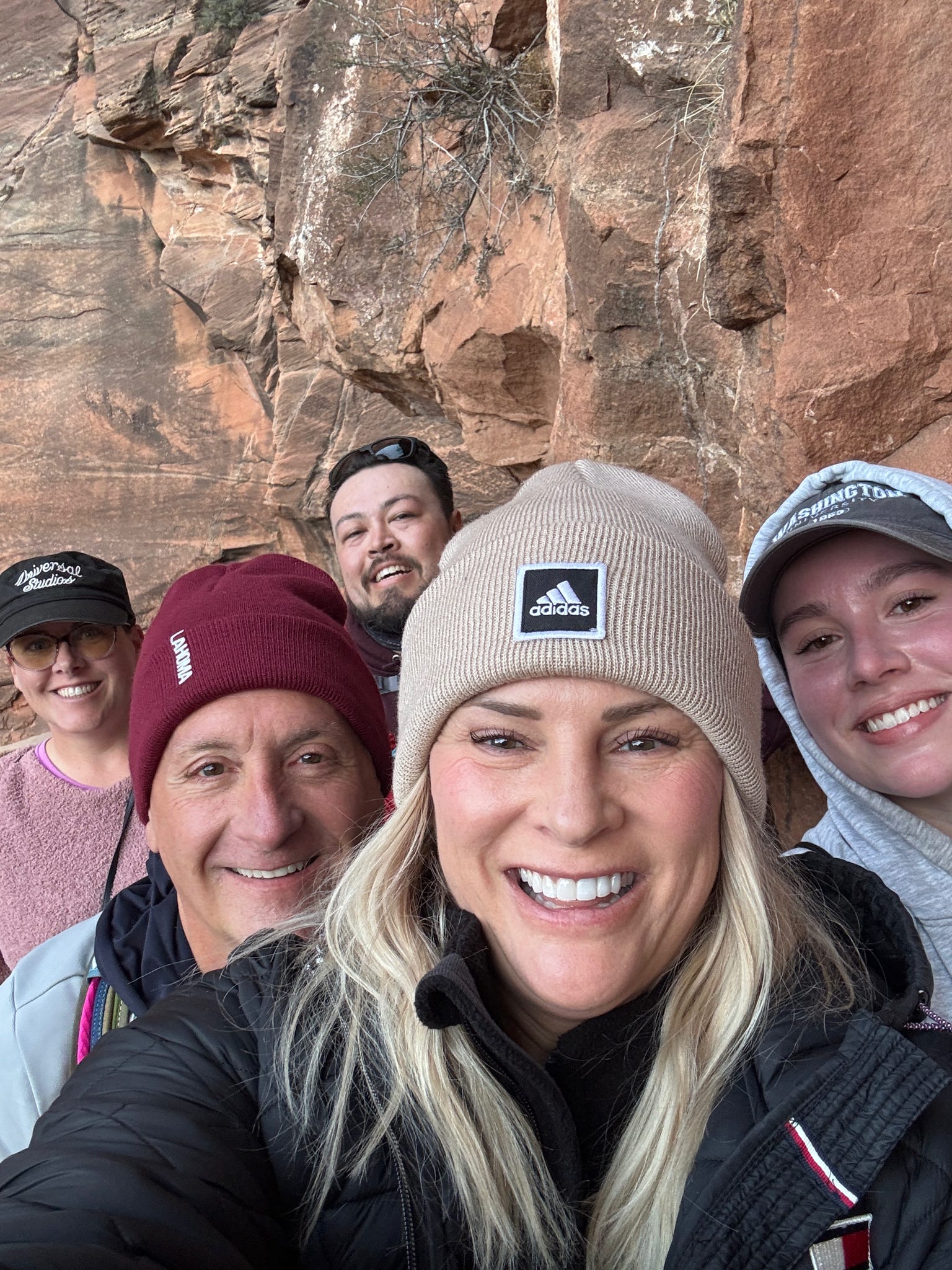
Our holistic depression treatment addresses the biological, psychological, and lifestyle roots of depression together: on-site psychiatric medication management, trauma-informed individual and group therapy, nervous-system regulation, nutrition, movement and daily guided hikes through the red-rock canyons of Southern Utah, sleep restoration, and mind-body practices. It's the clinical depth of a hospital combined with the calm of a wellness retreat.
Because we welcome guests from every state, families across the U.S. choose The Bridge when they're looking for the best depression retreat for a spouse, parent, adult child, or themselves. Whether you need a depression retreat for adults, a calm environment for women or men, or intensive treatment-resistant depression care, our 21-day program is built to create lasting change — not another temporary fix.
Types of Depression We Treat
Who This Program Is For
You might be ready for The Bridge if:
- You've struggled with depression for months or years despite treatment
- Multiple antidepressants haven't provided adequate relief
- Depression has cost you jobs, relationships, or your quality of life
- You're barely functioning — struggling to work, parent, or care for yourself
- Suicidal thoughts are present (we have 24/7 support and crisis protocols)
- Anxiety, trauma, or chronic pain accompany your depression
- Weekly therapy sessions aren't creating the change you need
- You're ready to invest three weeks in intensive healing
Why The Bridge for Depression?
Joint Commission Accredited
We meet the gold standard for mental health care quality — not all programs do.
21+ Years of Experience
Since 2003, we've specialized in treatment-resistant depression and complex mental health conditions.
On-Site Psychiatric Care
Our physician is available on-site throughout your stay — allowing medication optimization that is impossible in outpatient settings.
Trauma-Informed Approach
We understand that most depression has roots in unprocessed trauma. Our entire approach addresses this connection.
Small, Compassionate Environment
Maximum 18 guests ensures individualized attention and genuine therapeutic relationships.
Southern Utah Healing Setting
Our peaceful desert location provides the calm environment your nervous system needs to begin healing.
Insurance Accepted
Most major insurance plans cover intensive depression treatment. We'll verify your benefits before you commit.
Travel & Getting Here
We're located in New Harmony, UT 84757 — at the base of Kolob Canyon near Zion National Park in Southern Utah. The closest airports are:
- Las Vegas (LAS) — 90 minutes by car
- Salt Lake City (SLC) — 4 hours by car
- St. George Regional (SGU) — 20 minutes (limited flights)
What to Pack: Comfortable clothing, current medications, personal toiletries (basics provided), and a journal. Leave work stress at home — this time is entirely for you.
Insurance & Coverage
Most major insurance plans cover intensive mental health treatment for depression — especially when depression is severe, treatment-resistant, or accompanied by other conditions. Our admissions team will verify your insurance benefits at no cost before you apply.
Call us at 435-357-9609 and we'll walk you through exactly what your plan covers.
Frequently Asked Questions
Guest Stories
"After 10 years of depression and six different antidepressants, I thought this was just my life now. The Bridge helped me understand the trauma driving my depression and gave me tools that actually work. I'm not 'cured,' but I'm living again instead of just surviving."
"Before The Bridge I was taking several medications daily. I hardly left my house and was sleeping most days away. I lost hope of ever leading a normal productive life. After The Bridge, my life completely changed. I'm now able to live without depending on medication."