
- Why Retreats Work When Therapy Alone Doesn't
- What to Look for in an Anxiety and Depression Retreat
- Types of Retreats for Mental Health
- The Nervous System Approach That Changes Everything
- The Bridge: A Different Kind of Mental Health Retreat
- What to Expect During a 21-Day Retreat Program
- Insurance Coverage and Cost
- Is a Retreat Right for You?
- Frequently Asked Questions
- The best retreats for anxiety and depression address the neurological root causes — not just coping strategies
- Effective programs last 21+ days to allow genuine nervous system repatterning
- Trauma-informed, somatic-based approaches consistently outperform talk therapy alone for treatment-resistant cases
- A therapeutic natural environment accelerates recovery by activating the parasympathetic nervous system
- Many residential mental health retreats accept insurance — costs may be lower than you expect
- The Bridge Health Recovery Center in New Harmony, Utah has helped 3,500+ guests achieve lasting relief from anxiety and depression
If you're reading this, there's a good chance you've tried the conventional route. Weekly therapy. Antidepressants or anti-anxiety medications. Maybe multiple therapists, multiple prescriptions, and still — the weight of anxiety and depression presses down on you every morning. You're not alone, and you're not broken. What you may be missing is the right environment and the right approach: one that addresses the neurological root of what's happening in your body, not just the symptoms.
Compare the best anxiety & depression retreats and find real relief — nervous system reset, trauma-informed care, 21-day residential program in Southern Utah. Joint Commission accredited. Insurance accepted. Immersive programs that remove you from the stressors of daily life, provide expert care around the clock, and focus on nervous system healing produce results that once-a-week outpatient care simply cannot match. But not all retreats are created equal. Some are wellness spas with a little yoga and meditation. Others are true therapeutic programs with clinical depth and lasting outcomes.
This guide will help you understand what to look for, what to avoid, and why The Bridge Health Recovery Center in New Harmony, Utah consistently ranks among the most effective options for people with serious anxiety and depression — including those for whom nothing else has worked.
Why Retreats Work When Therapy Alone Doesn't
There's a fundamental reason why traditional weekly outpatient therapy often produces slow or limited results for anxiety and depression: the nervous system can't change while it's still being triggered. When you leave a therapy session and return to the same home, the same job, the same relationships that are contributing to your dysregulation, you're fighting an uphill battle.
Retreats work differently. By removing you from your daily environment, they allow your nervous system to drop out of its habitual threat-response patterns. In a calm, supportive, therapeutic setting, your brain becomes neuroplastic — genuinely capable of change. The evidence on this is clear: intensive immersive programs produce faster and more durable outcomes than weekly outpatient care for moderate-to-severe anxiety and depression.
Research on the neuroscience of change suggests that meaningful rewiring of neural pathways associated with anxiety and depression requires consistent, daily therapeutic input over a minimum of 21 days. This is why programs shorter than two to three weeks often feel helpful in the moment but don't stick.

At The Bridge, we've seen this pattern thousands of times. Guests arrive having spent years in weekly therapy — good therapy, with skilled therapists — without achieving the relief they were seeking. Within the first week of our immersive program, something shifts. Not because we've found a magic solution, but because their nervous system finally has the space, safety, and stimulus to change.
What to Look for in an Anxiety and Depression Retreat
The market for mental health retreats has exploded, which means the quality varies enormously. Here are the markers that separate genuinely therapeutic programs from glorified spa weekends:
Licensed Medical and Clinical Staff
Look for programs with physicians, licensed therapists, and clinical staff — not just wellness coaches and meditation teachers. Anxiety and depression are medical conditions that require clinical expertise. The program director should have formal medical or clinical credentials.
Nervous System and Somatic Focus
The most effective retreats go beyond talk therapy to address how anxiety and depression live in the body. Programs incorporating somatic therapy, nervous system regulation, and body-based healing approaches consistently outperform cognitive-only approaches for treatment-resistant cases. If a program focuses exclusively on talk therapy or cognitive behavioral techniques, it's likely to produce limited results for severe cases.
"After 15 years in the field, I can say with confidence: anxiety and depression are not just thought disorders. They are nervous system disorders. Healing requires working with the body, not just the mind." — Dr. Daren Brooks, D.O.
Trauma-Informed Approach
Most cases of chronic anxiety and depression have trauma at their root — whether from childhood, relationship history, medical trauma, or acute life events. A retreat that doesn't address trauma is treating symptoms while ignoring the source. Look for programs using modalities like EMDR, somatic experiencing, trauma-informed yoga, or other evidence-based trauma therapies. Our post on trauma and PTSD healing without medication explores this connection in depth.
Individualized Treatment
Group programs have their place, but your anxiety and depression have unique roots. The best retreats create individualized plans based on your specific history, physiology, and goals — not a one-size-fits-all curriculum.
Duration of 21+ Days
As noted above, meaningful neurological change requires time. Be cautious of programs shorter than 21 days claiming to produce lasting results. Weekend retreats and 7-day programs can be valuable for respite and skill-building, but they don't produce the neuroplastic change needed for lasting recovery from moderate-to-severe anxiety and depression.
Types of Retreats for Mental Health
Not all mental health retreats are the same. Understanding the landscape helps you find the right fit:
Wellness/Spa Retreats
These programs offer yoga, meditation, healthy food, and relaxation activities in a beautiful setting. They're excellent for mild stress and burnout, but they lack the clinical depth to address moderate-to-severe anxiety and depression. Think of them as a reset, not a treatment.
Mindfulness-Based Retreats
Programs based on Mindfulness-Based Stress Reduction (MBSR) or Mindfulness-Based Cognitive Therapy (MBCT) have strong evidence for anxiety and mild-to-moderate depression. They're more clinical than spa retreats but still primarily cognitive in focus.
Somatic and Nervous System Retreats
These programs focus on healing the nervous system through body-based practices, trauma resolution, and physiological regulation techniques. They tend to produce the most powerful results for treatment-resistant anxiety and depression. The Bridge falls into this category. Understanding how anxiety and stress drive nervous system dysregulation is central to this approach.
Residential Mental Health Programs
Full residential programs provide round-the-clock care in a clinical setting. These are appropriate for people with moderate-to-severe symptoms who haven't found relief through outpatient care. The Bridge operates as a residential program with both clinical depth and a healing natural environment.
Naturopathic and Integrative Programs
These programs combine conventional medicine with complementary approaches including nutrition, supplements, acupuncture, and functional medicine. They're often a good fit for people who want to reduce medication dependence while exploring root causes.
The retreats that produce the most dramatic transformations for anxiety and depression are those that combine three elements: a genuinely safe therapeutic environment (activating the parasympathetic nervous system), trauma resolution work (clearing the stored survival patterns driving symptoms), and concrete nervous system regulation skills (tools guests can use for the rest of their lives). Most programs have one or two of these — the best have all three.
The Nervous System Approach That Changes Everything
Here's what most anxiety and depression treatment misses: these conditions are not primarily thought disorders or chemical imbalances. They are nervous system disorders — states of chronic autonomic dysregulation in which the brain and body are stuck in survival mode.
When you have anxiety, your sympathetic nervous system is chronically overactivated. Your body believes it's in danger — even when there's no logical threat. When you have depression, your nervous system has often swung into a dorsal vagal "shutdown" state — the freeze response. Both states are the result of a nervous system that has lost its capacity to regulate itself.
This is why holistic approaches to depression treatment that address nervous system regulation consistently outperform medication-only approaches for long-term outcomes. And it's why depression treatment when medication fails so often requires a fundamentally different approach — one that works at the level of the nervous system rather than just neurotransmitter chemistry.
The therapeutic approaches that work best at this level include:
- Somatic Experiencing (SE): Resolves stored survival responses in the nervous system
- EMDR: Reprocesses traumatic memories without retraumatization
- Polyvagal-informed therapy: Rebuilds the vagal brake — the nervous system's natural self-regulation mechanism
- Breathwork: Directly activates the parasympathetic nervous system through respiratory regulation
- Mindful movement: Somatic practices that build nervous system flexibility and resilience

At The Bridge, all of these modalities are integrated into a coherent 21-day program designed to systematically shift guests from dysregulated survival states into genuine nervous system regulation — and to give them the tools to maintain that regulation for life. If you're curious about the science behind this, our deep-dive on depression and anxiety retreat options covers the research in detail.
Our team will help you understand if The Bridge is the right fit and verify your insurance benefits.
The Bridge: A Different Kind of Mental Health Retreat
The Bridge Health Recovery Center in New Harmony, Utah was founded by Dr. Daren Brooks, D.O., a Doctor of Osteopathic Medicine with a background that spans gerontology, mind-body medicine, stress management, and nutrition. Dr. Brooks has consulted for NASA, IBM, Kodak, and Cisco, and has spent decades studying why some people recover from anxiety and depression while others don't.
His conclusion: lasting recovery requires addressing the nervous system, not just the symptoms. The Bridge was built on that premise.
The Setting
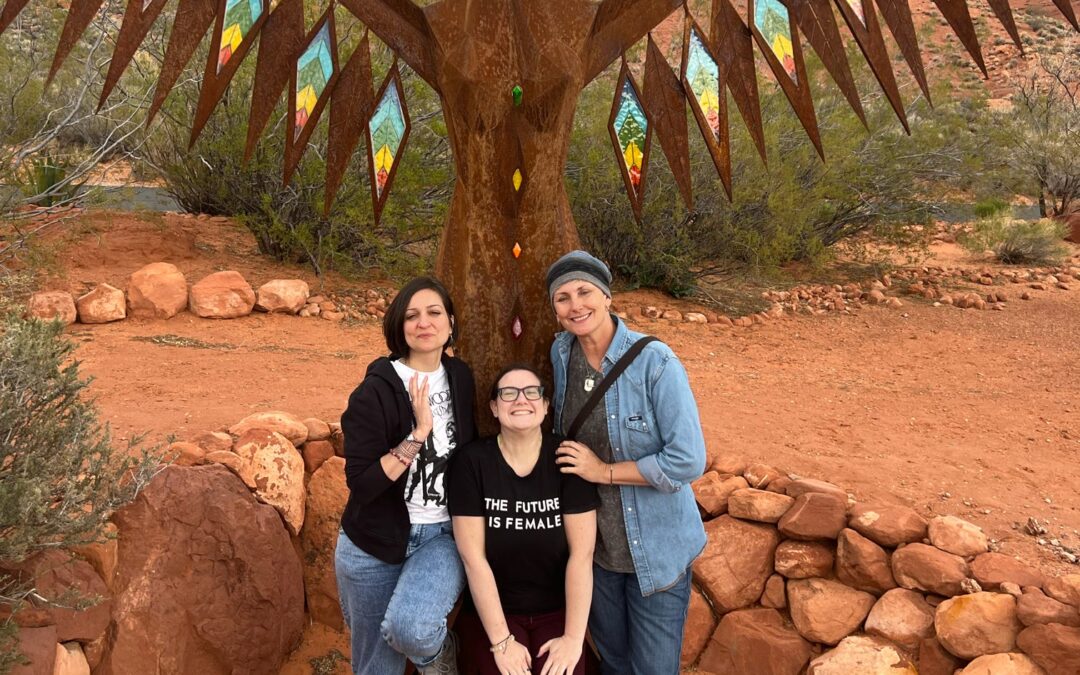
New Harmony, Utah sits at the base of Zion National Park in one of the most therapeutically powerful landscapes in the United States. Red rock formations, clean desert air, and profound natural quiet create an environment that naturally activates the parasympathetic nervous system. Guests consistently report that the setting itself feels healing — before the formal program even begins.
The Program
The 21-day residential program at The Bridge integrates:
- Daily individual sessions with Dr. Brooks and clinical staff
- Somatic therapy and nervous system regulation training
- Trauma resolution (EMDR, somatic experiencing)
- Nutritional medicine targeting the gut-brain axis and inflammation
- Mind-body practices including breathwork, mindful movement, and meditation
- Nature-based therapy including daily guided hikes
- Group support with other guests on the healing journey

The Results
Over 3,500 guests have completed programs at The Bridge. The outcomes for anxiety and depression are consistently strong — not because we've found a magic cure, but because we address the real drivers of these conditions rather than managing symptoms indefinitely.
Many guests arrive having been on antidepressants or anti-anxiety medications for years without experiencing genuine relief. Many leave with a plan to reduce or eliminate medications under medical supervision — because their nervous system has genuinely changed, not just been chemically suppressed.
What to Expect During a 21-Day Retreat Program
For many people, the idea of spending three weeks away from home is daunting. Here's an honest picture of what that time looks like at The Bridge:
Week One: Decompression and Assessment
The first week is about letting your nervous system settle. The initial days are intentionally gentle — light programming, lots of rest, good food, and time in nature. Clinical staff conduct thorough assessments to understand your history, physiology, and specific needs. Individual treatment planning begins immediately.
Week Two: Deep Work
By week two, your nervous system has typically stabilized enough to begin deeper therapeutic work. This is when trauma processing, somatic therapy, and more intensive individual sessions begin. It's also usually the week when guests first experience meaningful shifts in their symptoms.
Week Three: Integration and Skill-Building
The final week focuses on consolidating gains and building the skills you'll take home. Nervous system regulation practices become habitual. A discharge plan is created with ongoing support resources. Many guests describe this week as transformative — they can feel and measure the change.
The most common thing guests say when they leave is: "I wish I'd come sooner." The second most common thing is: "I was skeptical this would work for me." Anxiety and depression have a way of making you believe that you are the exception — the one for whom nothing works. In 25 years of clinical practice, I have rarely found this to be true. Most people can heal. They just need the right environment and the right approach.
Insurance Coverage and Cost
One of the most common barriers people cite when considering a residential mental health retreat is cost. This is understandable — and for many people, it's less of a barrier than they expect.
Many residential mental health programs, including The Bridge, are recognized by major insurance carriers. We work with Blue Cross Blue Shield, Aetna, Cigna, United Healthcare, and many others. Coverage varies significantly by plan and by the clinical documentation supporting your stay.
To find out what your specific plan covers:
- Call us at (435) 559-1922
- Or visit our insurance verification page
- Our team will verify your benefits within 24 hours at no cost to you
Even if your insurance coverage is limited, many families find that a 21-day investment in genuine healing is more cost-effective than years of ongoing outpatient treatment, lost productivity, and diminished quality of life.


Is a Retreat Right for You?
A residential retreat for anxiety and depression is right for you if:
- You've tried outpatient therapy for 6+ months without sufficient relief
- You're on medications that aren't providing the relief you need
- You suspect unresolved trauma is contributing to your symptoms
- Your anxiety or depression is affecting your ability to work, maintain relationships, or enjoy your life
- You've had recurrent depressive episodes or anxiety that keeps returning
- You want to get to the root of your symptoms, not just manage them indefinitely
It may not be the right time if:
- You are in acute crisis or require emergency psychiatric care
- You have active psychosis or are at immediate risk of self-harm (residential crisis programs are more appropriate)
- You cannot safely leave your current environment for 21 days
If you're unsure whether you're a good candidate, a free consultation with our clinical team can help. Call us at (435) 559-1922 or schedule a free Zoom consultation. There's no pressure, no sales pitch — just an honest conversation about whether The Bridge is a good fit for your situation.
Frequently Asked Questions
Look for retreats that address the root neurological causes—not just symptom management. Key markers include nervous system regulation programs, trauma-informed care, licensed medical staff (ideally physicians), individualized treatment plans, evidence-based modalities like somatic therapy, and a therapeutic environment away from daily stressors. Avoid programs that rely solely on talk therapy or medication management.
Most effective retreats run 14-28 days. Research on neuroplasticity suggests that meaningful change in nervous system patterns requires at least 21 days of consistent therapeutic input. Shorter weekend retreats can provide respite and skill-building but typically don't produce lasting neurological change.
Many residential mental health programs accept insurance. At The Bridge, we work with most major insurance providers including Blue Cross Blue Shield, Aetna, Cigna, and United Healthcare. We recommend calling us at (435) 559-1922 to verify your specific benefits before enrolling.
Psychiatric hospitals focus on crisis stabilization and medication management in a clinical environment. Mental health retreats like The Bridge focus on deep healing through therapeutic modalities in a calming, supportive environment—more like an intensive wellness immersion than a hospital stay. Retreats are appropriate for people who are stable but struggling, not those in acute crisis.
Many people with anxiety and depression have found lasting relief without long-term medication through nervous system retraining, somatic therapy, trauma resolution, and lifestyle medicine. At The Bridge, we have helped thousands of guests reduce or eliminate their reliance on psychiatric medications by addressing the neurological root causes of their symptoms.
What Our Guests Say
You Don't Have to Keep Living This Way
Anxiety and depression are not life sentences. They are nervous system patterns that can change — with the right environment, the right approach, and the right support. The Bridge has helped 3,500+ guests find their way to the other side. We'd be honored to help you too.