

⚡ Key Takeaways
- Chronic pain and mental health are deeply linked — depression amplifies pain perception by up to 60%
- Integrated retreats address both simultaneously, breaking the pain-mood cycle at its root
- Immersive 21-day programs produce deeper nervous system change than outpatient visits
- Conditions like fibromyalgia, CRPS, and chronic fatigue respond especially well to retreat-based healing
- Many insurance plans cover portions of integrated mental health and pain treatment programs
- The Bridge Health Recovery Center in New Harmony, Utah specializes in this exact approach
The Mind-Body Connection in Chronic Pain
If you have been living with chronic pain, you have probably heard some version of the following dismissal: "There's nothing more we can do," or "You just need to manage it." What this advice misses — and what decades of neuroscience now confirms — is that chronic pain is never purely physical. It is always a conversation between your body and your brain, and that conversation is deeply shaped by your emotional state, your nervous system's history, and the unresolved psychological wounds you carry.
At The Bridge Health Recovery Center, we see this reality every day. Guests arrive having exhausted conventional options — surgeries that didn't help, medications that stopped working, physical therapy that provided temporary relief but no lasting change. What they haven't tried — until they arrive at The Bridge — is a program that treats the whole person, addressing both the physical pain and the emotional suffering with equal seriousness.
The science is clear. Research published in the Journal of Pain Research shows that people with depression experience pain more intensely and recover more slowly. A 2023 review in Nature Reviews Neuroscience confirmed that psychological stress can sensitize pain pathways in the brain, a process called central sensitization, which explains why so many chronic pain conditions worsen over time despite no new physical injury. Anxiety floods the body with cortisol and adrenaline, keeping the nervous system in a state of hyper-vigilance that amplifies pain signals. Trauma — whether recent or from childhood — literally rewires neural circuits in ways that lower the pain threshold.
Understanding this connection isn't just intellectually interesting. It changes everything about how treatment should be structured. If pain has psychological roots, then psychological healing must be part of the solution. This is the foundational philosophy behind chronic pain and mental health retreats.

Integrated mind-body therapy addresses the neurological roots of chronic pain, not just the symptoms.
Why Retreats Work When Clinics Don't
Traditional medical care for chronic pain follows a sequential model: see a specialist, get a treatment, see another specialist, get another treatment. The physical and the psychological are handled in separate offices, often by providers who have never spoken to one another. This fragmented approach was designed for acute illness — a broken bone, an infection — not for complex chronic conditions where the body, brain, and biography are all contributing factors.
Retreats operate on a fundamentally different model. By removing you from your daily environment and immersing you in a healing-focused setting, they create conditions that are simply impossible in a once-weekly outpatient appointment:
- Sustained therapeutic intensity: Healing work happens every day — not just in 50-minute windows once a week
- Nervous system reset: Distance from chronic stressors allows the autonomic nervous system to begin downregulating
- Simultaneous treatment: Physical, psychological, and nutritional interventions run in parallel, not in sequence
- Environmental healing: Nature immersion in locations like New Harmony, Utah activates parasympathetic (rest-and-repair) responses
- Community: Shared experience with others reduces isolation, which is itself a driver of pain amplification
The research backs this up. A landmark study in JAMA Internal Medicine found that intensive interdisciplinary pain programs produced significantly better outcomes than standard care, with gains persisting at 12-month follow-up. Yet these programs remain dramatically underutilized — most pain patients never hear about them from their doctors.
"The patients who transform most completely are those who commit to immersive healing — not just treating symptoms in isolation, but addressing the nervous system, the emotions, and the body as one integrated whole."
— Dr. Daren Brooks, D.O., Founder, The Bridge Health Recovery Center
You can also learn more about how chronic pain reprocessing therapy has helped guests achieve lasting relief through this same integrated model, and explore trauma-informed care for chronic pain — which forms a cornerstone of our retreat approach.
What to Expect at a Chronic Pain & Mental Health Retreat
Many people arrive at a chronic pain and mental health retreat not knowing what to expect. The fear of the unknown — combined with exhaustion from years of failed treatments — can create hesitation. Here is a clear picture of what a well-designed integrated retreat program actually looks like.
🌿 Clinical Insight: What a Day at The Bridge Looks Like
A typical day at The Bridge begins with gentle movement and breathwork calibrated to your pain level. Morning sessions address nervous system regulation through somatic therapy or biofeedback. Afternoons involve psychological processing — whether through individual therapy, group processing, or trauma work. Evenings include nutrition education and restorative practices. Every element is intentional, sequenced, and evidence-based.
The core therapeutic components of an effective chronic pain and mental health retreat include:
Mind-Body Therapies
Somatic experiencing, EMDR, and trauma-focused CBT address the psychological contributors to pain. These are not "soft" treatments — they produce measurable changes in brain activity and nervous system function. Guests who have never made progress with talk therapy often experience breakthroughs in somatic work because it bypasses the intellectual mind and directly accesses where pain lives: in the body's cellular memory.
Nervous System Regulation
A dysregulated autonomic nervous system is present in virtually every chronic pain condition. Retreats address this through vagus nerve stimulation techniques, heart rate variability biofeedback, breathwork protocols, and progressive nervous system exercises. Our approach is grounded in polyvagal theory — understanding that chronic pain is often a symptom of a nervous system stuck in threat mode.
Nutritional Medicine
Inflammation is both a driver and a consequence of chronic pain. Anti-inflammatory nutrition protocols, addressing gut health (the gut-brain axis has profound implications for pain), and targeted supplementation provide the biological substrate for healing. You can read more about how gut health connects to depression and chronic conditions — a relationship our clinical team addresses in every retreat program.
Psychological Processing
Individual therapy, group work, and specific modalities like pain neuroscience education (PNE) help guests understand — and fundamentally change — their relationship with pain. This is not about dismissing pain or "thinking yourself better." It is about rewiring the neural pathways that keep pain perpetuating long after its original cause has resolved.
Could an Integrated Retreat Change Your Life?
Our clinical team will speak with you — no obligation — to determine whether The Bridge is the right fit for your situation.
Conditions Best Suited for Retreat Healing
Not every condition is equally suited to retreat-based care, but the conditions that involve the most profound mind-body entanglement respond especially well. These are conditions where conventional medicine has the least to offer and integrated healing has the most:

Conditions like fibromyalgia, CRPS, and chronic fatigue respond powerfully to integrated retreat programs.
Fibromyalgia
Fibromyalgia is characterized by widespread musculoskeletal pain, fatigue, and cognitive difficulties — but it is fundamentally a disorder of central sensitization. Depression and anxiety occur in 30-50% of fibromyalgia patients, and the two conditions feed each other in a vicious cycle. Retreat programs that address both simultaneously see outcomes that no single specialist can match. Explore our detailed guide on fibromyalgia vs CRPS symptoms to understand how these conditions differ and how we address each.
Complex Regional Pain Syndrome (CRPS)
CRPS is one of the most painful and least understood conditions on the planet. Because conventional treatments often provide limited relief, many CRPS patients develop secondary depression and anxiety — which then amplify the pain. Our CRPS pain management approach integrates nervous system regulation, psychological trauma work, and nutritional anti-inflammatory protocols in ways that address the full clinical picture.
Chronic Fatigue Syndrome (CFS/ME)
The connection between fatigue, pain, and psychological health in CFS is well established. The condition is driven by nervous system dysfunction and often follows a traumatic event or severe illness. Integrated retreats that address nervous system healing alongside mental health provide a pathway to recovery that pure rest or medical management cannot.
Depression and Anxiety with Physical Symptoms
Many people with depression and anxiety experience physical symptoms — pain, fatigue, digestive issues — that their doctors attribute to "stress" and leave untreated. When these physical symptoms are addressed through body-based therapies in a retreat setting, the psychological symptoms often lift simultaneously. A complete guide to depression and anxiety retreat options can help you understand what to look for in an integrated program.
PTSD with Somatic Presentation
Trauma stores itself in the body. PTSD patients frequently present with chronic pain, hypervigilance, and physical symptoms that are directly connected to their traumatic history. Somatic trauma therapies — particularly when delivered in an immersive retreat setting — can interrupt the trauma-pain cycle in ways that talk therapy alone cannot. Learn more about PTSD and nervous system dysregulation and how we address this at The Bridge.
The Nervous System Approach at The Bridge
The Bridge Health Recovery Center is built around a central insight that most medical providers overlook: chronic pain is not primarily a structural problem — it is a nervous system problem. Dr. Daren Brooks, D.O., trained in mind-body medicine for over three decades and served as a consultant to NASA on nervous system recovery before founding The Bridge. That background shapes everything about how we approach healing.
Our clinical approach begins with a comprehensive nervous system assessment. We evaluate autonomic function, vagal tone, inflammatory markers, and psychological history to build an individualized treatment map for each guest. The goal is to understand exactly where and how the nervous system has been disrupted — and then to systematically restore it to a regulated, pain-dampening state.
Key modalities in our nervous system approach include:
- Polyvagal-informed therapy: Working directly with the vagal hierarchy to restore felt safety and downregulate threat responses
- Somatic experiencing: Body-based trauma resolution that releases stored physiological stress without requiring verbal processing of traumatic content
- Biofeedback and neurofeedback: Real-time data on nervous system state, helping guests learn to consciously shift their physiology
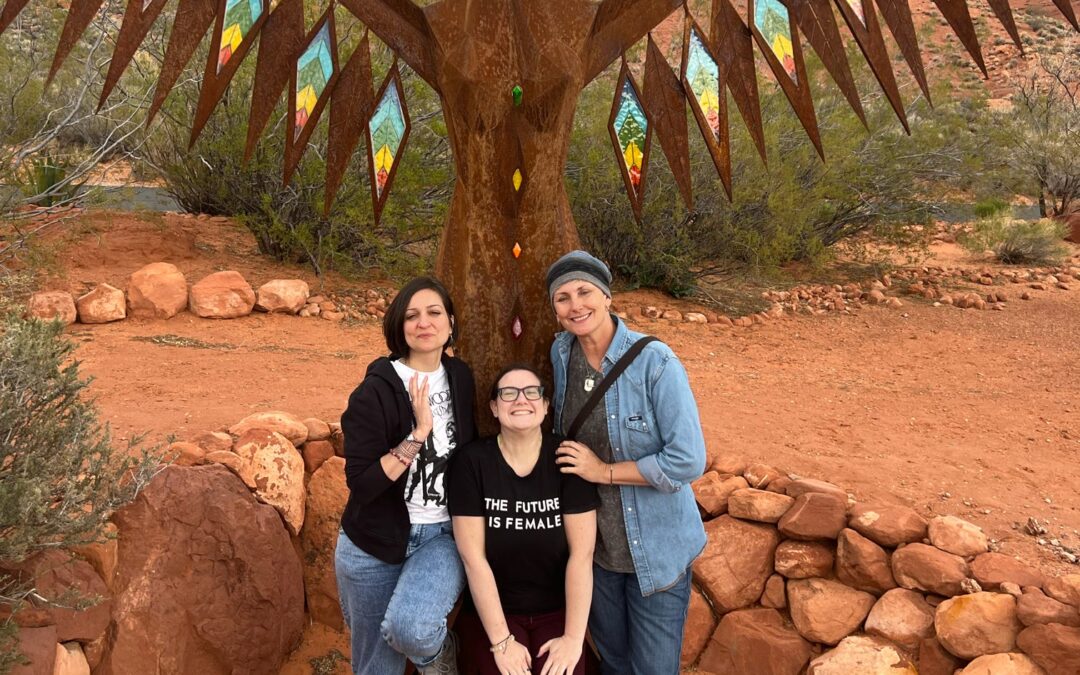
- Nature immersion in New Harmony, Utah: Our location in the high desert of Southern Utah is not incidental — natural environments activate the parasympathetic nervous system in ways that indoor clinical settings cannot replicate
"Most of our guests have been told their pain is permanent. What we show them — through direct, measurable experience — is that the nervous system is not fixed. It is plastic. It can change. And when it changes, pain changes with it."
— Dr. Daren Brooks, D.O.
 Healing environment
 Therapeutic spaces
 Nature immersion hikes
How to Choose the Right Chronic Pain & Mental Health Retreat
Not all retreats are created equal. The wellness retreat market has exploded in recent years, and many programs lack clinical rigor, qualified staff, or evidence-based protocols. Here is what to look for when evaluating options:
🔍 Retreat Evaluation Checklist
- Is there a licensed medical doctor on the clinical team?
- Does the program have specific experience with your condition?
- Are psychological and physical treatments integrated, or siloed?
- What is the typical guest-to-staff ratio?
- How long is the program? (Fewer than 7 days is rarely sufficient)
- Does the program provide an individualized treatment plan?
- Can the program verify insurance benefits on your behalf?
- Is there a follow-up support plan after discharge?
The Bridge meets all of these criteria. Our programs are medically supervised by Dr. Daren Brooks, D.O. Our 21-day residential program provides enough time to create lasting neurological change. Our staff-to-guest ratio ensures individualized attention. And our location — a purpose-built healing retreat in the red rock landscape of New Harmony, Utah — creates an environment that is itself therapeutic.
When comparing options, be wary of programs that:
- Claim to treat everything without specialized clinical expertise
- Offer only one or two modalities rather than a comprehensive integrated approach
- Have no licensed medical professionals on staff
- Provide programs shorter than 7 days for complex chronic conditions
- Cannot provide verifiable outcome data or guest testimonials
Insurance, Cost, and How to Get Started
One of the most common barriers to seeking retreat-based care is uncertainty about cost. Many people assume these programs are unaffordable or not covered by insurance. The reality is more nuanced — and more hopeful.
Many insurance plans do cover portions of intensive behavioral health programs, particularly when there is a documented mental health diagnosis (depression, anxiety, PTSD) co-occurring with a chronic medical condition. Coverage varies significantly by plan, carrier, and state, but the first step is always to check — and The Bridge makes this easy.
Our admissions team will verify your insurance benefits before you commit to anything. We work with most major carriers including BlueCross BlueShield, Aetna, United Healthcare, Cigna, and others. For guests without insurance coverage, we offer flexible payment arrangements.
The cost of not treating chronic pain and mental health together should also factor into your decision. Research shows that untreated chronic pain costs Americans an estimated $635 billion annually in healthcare costs and lost productivity. People who invest in comprehensive healing typically see dramatic reductions in ongoing medical expenses — specialist visits, emergency room trips, medications — within the first year after treatment.
To get started, you can:
- Call us: (435) 559-1922 — speak directly with our clinical admissions team
- Text us: Send a text message for a quick, confidential conversation
- Verify your insurance: Check your coverage online at no cost or obligation
- Schedule a free consultation: Book a free Zoom call with Dr. Brooks or a senior clinician to discuss whether The Bridge is right for you
Frequently Asked Questions
A chronic pain and mental health retreat is an immersive residential program that simultaneously addresses physical pain and psychological well-being. Unlike traditional medical care that treats these separately, integrated retreats use mind-body therapies, somatic healing, and psychological support to break the pain-mood cycle at its root.
Most effective retreats range from 7 to 21 days. At The Bridge Health Recovery Center, our 21-day program provides enough time to shift nervous system patterns, address emotional contributors, and build sustainable coping strategies. Short weekends rarely provide lasting results for chronic conditions.
Yes — research consistently shows that psychological factors significantly influence chronic pain. Depression amplifies pain perception by up to 60%. Anxiety activates the nervous system's threat response, worsening pain signals. Trauma can create lasting neurological changes that perpetuate pain. Addressing mental health is not optional — it is essential for lasting pain relief.
Many insurance plans cover portions of integrated treatment programs, particularly when there is a documented mental health diagnosis. At The Bridge, our team works with most major insurance carriers and can verify your benefits before admission. Contact us to check your coverage at no cost.
The Bridge specializes in chronic conditions with significant mind-body components including fibromyalgia, CRPS, chronic fatigue syndrome, lupus, depression, anxiety, PTSD, and generalized chronic pain. Our integrated approach is particularly effective for people who have not responded to conventional medical treatment alone.
What Our Guests Say

About Dr. Daren Brooks, D.O.
Dr. Daren Brooks is the Founder & CEO of The Bridge Health Recovery Center and a Doctor of Osteopathic Medicine with decades of experience in mind-body medicine. A former NASA consultant who trained astronauts in nervous system recovery, Dr. Brooks has also advised corporations including IBM, Kodak, and Cisco on human performance. He has served as a university professor of health science and has personally helped more than 3,500 guests recover from chronic conditions. Dr. Brooks combines rigorous clinical expertise with deep compassion, creating programs that address the full human being — not just the diagnosis.
Ready to Heal Your Pain and Your Mind — Together?
The Bridge offers the only fully integrated chronic pain and mental health retreat program in Southern Utah. Our 21-day residential program has helped thousands of guests reclaim their lives. Take the first step today.