
- Complex PTSD develops from repeated or prolonged trauma and affects emotional regulation, identity, and relationships — beyond standard PTSD symptoms.
- C-PTSD is rooted in a dysregulated nervous system that has been trained to stay in survival mode, making body-based therapies essential.
- Effective healing combines somatic therapy, nervous system regulation, nutritional support, and trauma-informed care — not medication alone.
- Many people see meaningful improvements within weeks when given a structured, immersive healing environment.
- The Bridge Health Recovery Center has helped 3,500+ guests recover from trauma-related conditions through evidence-based, whole-person programs.
What Is Complex PTSD?
Complex Post-Traumatic Stress Disorder (Complex PTSD, or C-PTSD) is a condition that develops in response to chronic, repeated, or prolonged trauma — particularly trauma from which there is little or no opportunity to escape. While standard PTSD can follow a single overwhelming event, C-PTSD emerges from experiences like childhood abuse, domestic violence, captivity, prolonged neglect, human trafficking, or years of emotional manipulation.
The distinction matters profoundly. Standard PTSD is a wound from a moment. Complex PTSD is a wound from a season — sometimes from an entire childhood. The nervous system didn't just experience one shock; it learned, over months or years, that danger was constant and nowhere was safe. That lesson becomes hardwired into the body.
The World Health Organization recognized Complex PTSD as a distinct diagnosis in the ICD-11 (2019), acknowledging that it involves not just trauma responses but deep disruptions to self-perception, emotional regulation, and the capacity for relationships. For those suffering, this recognition is validating: their struggles are real, rooted in biology, and — crucially — treatable.

At The Bridge Health Recovery Center, we have worked with hundreds of guests navigating Complex PTSD. Many came to us after years of treatment that addressed only the surface — managing symptoms with medication, attending weekly therapy, yet feeling stuck in the same survival patterns. What they needed was a deeper approach: one that addressed the body, the nervous system, and the root-level adaptations trauma had created.
Complex PTSD Symptoms Explained
Understanding the symptoms of Complex PTSD is the first step toward healing. C-PTSD encompasses all the classic PTSD symptoms — flashbacks, nightmares, hypervigilance, emotional numbness — plus several additional symptom clusters that reflect the deeper impact of chronic trauma.
Emotional Dysregulation
Perhaps the most defining feature of C-PTSD is profound difficulty managing emotions. This isn't a character flaw or weakness — it's the result of a nervous system that never had the chance to develop healthy regulation. Survivors may experience explosive anger, rapid emotional swings, chronic emptiness, or sudden flooding with grief, fear, or shame. Our article on nervous system and emotional regulation explores how trauma short-circuits the brain's regulatory circuits.
Negative Self-Concept and Chronic Shame
C-PTSD often leaves survivors feeling fundamentally broken, worthless, or permanently damaged. Chronic shame — not just guilt about specific events but a core belief that something is wrong with who you are — is one of the most painful and persistent symptoms. This shame frequently internalized from years of being told you were "too much," "not enough," or to blame for others' behavior.
Disturbances in Relationships
When trauma happened in relationships — particularly in childhood or in intimate partnerships — it distorts how survivors relate to others. This may manifest as intense fear of abandonment, difficulty trusting, oscillating between idealization and devaluation of others, or withdrawing entirely from connection to feel safe.
"Complex PTSD isn't a personality disorder — it's a survival adaptation. When we understand the symptoms as adaptations to an impossible situation, healing becomes possible." — Dr. Daren Brooks, D.O.
Dissociation
Dissociation — feeling detached from yourself, your emotions, or reality — is a common and often distressing symptom of C-PTSD. It ranges from mild emotional numbing to depersonalization (feeling like you're watching yourself from outside) and derealization (the world feeling unreal). Dissociation was originally protective: when the present moment was unbearable, the mind escaped. But it persists long after the original danger has passed.
Physical Symptoms
C-PTSD is not just a mental condition — it lives in the body. Survivors frequently experience chronic pain, headaches, digestive problems, fatigue, immune dysfunction, and conditions like fibromyalgia or chronic fatigue syndrome. The stress hormones that flood the body during chronic trauma — cortisol, adrenaline — cause lasting damage when they are never given the chance to reset.
Altered Consciousness and Memory
Traumatic memories may be fragmented, intrusive, or difficult to access. Survivors may have large gaps in memory from childhood, or may find that certain stimuli trigger overwhelming body sensations without clear narrative memories attached. This is the nervous system's way of storing experiences that were too overwhelming to process consciously.
Many people with Complex PTSD have been previously misdiagnosed with borderline personality disorder, bipolar disorder, or treatment-resistant depression. C-PTSD's symptom overlap with these conditions is significant — which is why accurate assessment and trauma-informed care are essential for real healing.
How Trauma Disrupts the Nervous System
To understand Complex PTSD, you must understand the nervous system. The autonomic nervous system — your body's automatic regulation system — has two primary states: activation (fight-or-flight, or freeze) and safety (rest-and-digest). In a healthy nervous system, we move fluidly between these states based on actual circumstances.
In C-PTSD, the nervous system becomes stuck. Years of trauma teach the body that danger is the norm. The threat-detection system (the amygdala) becomes hyper-sensitized. The prefrontal cortex — responsible for rational thinking, perspective, and emotional regulation — becomes chronically suppressed. This is not a metaphor. Brain imaging studies show measurable structural changes in survivors of chronic trauma.
Our article on PTSD and nervous system dysregulation goes deeper into these mechanisms. Understanding polyvagal theory — the science of how the vagus nerve governs our sense of safety — is also essential. Our guide to polyvagal theory for beginners offers an accessible foundation.

The key insight is this: because trauma lives in the nervous system — not just in the mind — healing must also address the nervous system directly. Talk therapy alone, while valuable, often cannot fully reach these somatic imprints. This is why body-based approaches are so transformative for C-PTSD recovery.
Our team at The Bridge is here to help. Get a free consultation today.
Evidence-Based Healing Approaches for Complex PTSD
The good news about Complex PTSD is that it responds to treatment — particularly when treatment addresses the full picture of how trauma lives in the body, brain, and nervous system. Here are the most evidence-supported approaches.
EMDR (Eye Movement Desensitization and Reprocessing)
EMDR is one of the most researched treatments for trauma. It uses bilateral stimulation — eye movements, taps, or sounds — to help the brain reprocess traumatic memories so they lose their emotional charge. For C-PTSD, EMDR is often adapted for phase-based work that builds nervous system capacity before processing the most difficult material.
Internal Family Systems (IFS)
IFS works with the "parts" of the self that developed as survival adaptations — the protectors who learned to manage overwhelming emotions through numbing, perfectionism, rage, or self-criticism. By developing a compassionate relationship with these parts, survivors can begin to heal the deeper wounds they were protecting.
Somatic Experiencing (SE)
Developed by Dr. Peter Levine, Somatic Experiencing works with how trauma is stored in the body. Rather than revisiting traumatic stories in detail, SE helps survivors track body sensations and complete the incomplete survival responses that became frozen in the nervous system. Many guests at The Bridge describe this as the first time their body finally felt safe. For a full introduction, see our guide on what is somatic experiencing therapy.
Polyvagal-Informed Therapy
Grounded in Stephen Porges' Polyvagal Theory, this approach helps survivors build vagal tone — the nervous system's capacity to regulate between activation and safety. Practices like deep breathing, humming, cold exposure, and social engagement exercises directly stimulate the vagus nerve and rebuild the body's regulatory capacity.
Nutritional and Lifestyle Support
Chronic trauma depletes key nutrients — magnesium, B vitamins, omega-3 fatty acids, zinc — that are essential for nervous system function and emotional regulation. A targeted nutritional protocol addressing these deficiencies can make a significant difference in mood stability, sleep quality, and the capacity to engage in therapeutic work.
Somatic Therapies: Reaching the Body-Level of Trauma
Perhaps the most important evolution in C-PTSD treatment is the recognition that healing must be somatic — it must involve the body. "The body keeps the score," as trauma researcher Bessel van der Kolk famously wrote. The implicit memories of trauma are stored not just in the brain but in muscle tension, posture, breath patterns, and the nervous system itself.
Somatic therapies for C-PTSD include:
- Somatic Experiencing (SE) — tracking body sensations to discharge stored trauma energy
- Trauma-Sensitive Yoga — rebuilding the relationship between mind and body through mindful movement
- Breathwork — using specific breathing patterns to directly regulate the autonomic nervous system
- Grounding Exercises — orienting practices that help the body recognize present-moment safety
- TRE (Tension and Trauma Releasing Exercises) — neurogenic tremors that discharge held tension in the nervous system
Our comprehensive guide to somatic exercises for trauma release covers many of these practices in detail. Similarly, trauma and PTSD healing without medication explores the full range of non-pharmaceutical approaches that are showing remarkable results.

"When we give the nervous system what it needs — safety, co-regulation, and the chance to complete interrupted survival responses — healing happens at a level that no medication can reach." — Dr. Daren Brooks, D.O.
Daily Practices That Support Complex PTSD Healing
Between therapy sessions, daily practices are essential for nervous system repair. These are not cures on their own, but they compound over time into meaningful neurobiological change.
Vagus Nerve Activation
The vagus nerve is the primary vehicle through which we return to safety. Daily vagus nerve practices — humming, gargling, cold water on the face, deep diaphragmatic breathing, and safe social engagement — gradually rebuild vagal tone. Our article on the benefits of vagus nerve massage covers one powerful approach in detail.
Somatic Grounding
Grounding practices help the body register that it is safe in the present moment. Simple approaches: feel both feet on the floor, look for five things you can see, hold ice briefly, or engage in rhythmic bilateral movement (walking, swimming). These activate the prefrontal cortex and downregulate the threat response.
Sleep Hygiene and Circadian Support
Trauma profoundly disrupts sleep — both falling asleep and staying asleep. Rebuilding circadian rhythm through consistent sleep/wake times, morning light exposure, and evening wind-down rituals is foundational to nervous system recovery.
Limit Nervous System Stressors
During active healing, reducing nervous system load matters. This includes limiting news and social media consumption, reducing caffeine and alcohol, prioritizing nourishing social connections, and setting boundaries with environments or people that trigger dysregulation.
Many of our guests come to The Bridge running on cortisol and caffeine, sleeping poorly, and chronically overstimulated. Before any deeper therapeutic work can land, we help them establish a regulated daily rhythm. This alone often produces noticeable shifts within the first week of residency.
How an Immersive Retreat Accelerates Complex PTSD Recovery
One of the most powerful — and often overlooked — options for C-PTSD healing is an immersive residential retreat. Here's why the retreat model works so well for Complex PTSD specifically.
Total Environmental Reset
For most C-PTSD survivors, the everyday environment is filled with triggers — interactions, schedules, relationships, and demands that keep the nervous system chronically activated. Leaving that environment entirely — even for 21 days — allows the nervous system to experience sustained safety, often for the first time in years or decades.
Therapeutic Density
A 21-day residential program offers more therapeutic hours than a year of weekly outpatient sessions. This density matters for C-PTSD, where change requires consistent repetition and nervous system practice — not one hour per week.
Co-Regulation with Trained Staff
One of the most powerful factors in healing from relational trauma is experiencing safe, attuned relationships. At The Bridge, our staff are trained in trauma-informed co-regulation — their calm, regulated presence becomes a template for the nervous systems of our guests.
Nature as Medicine
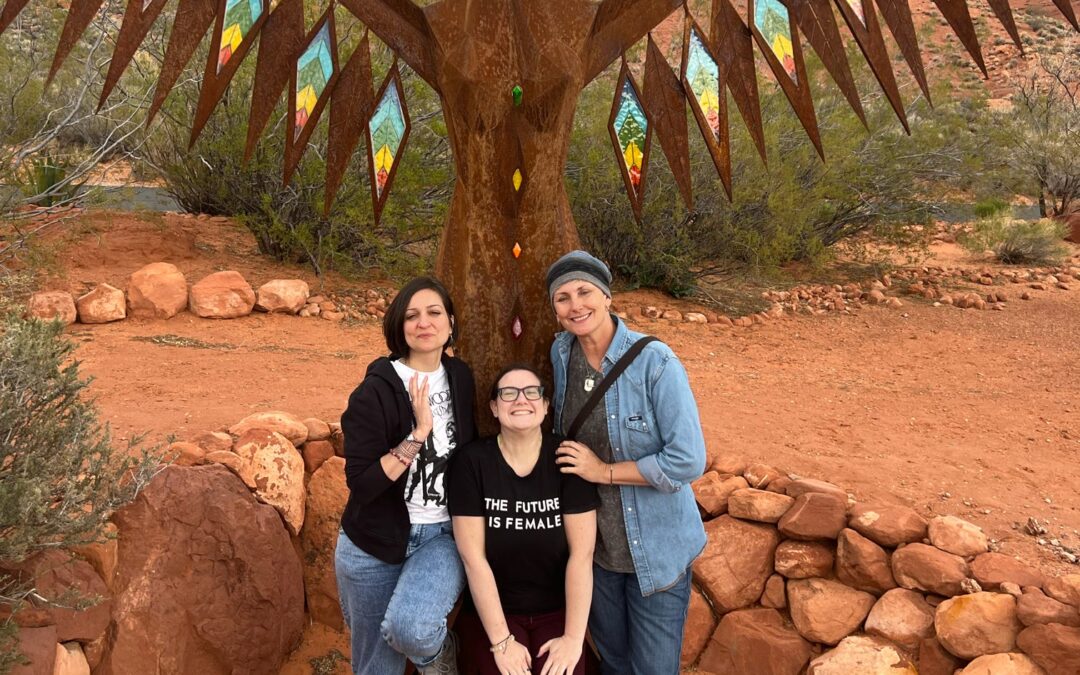
Our center is nestled in New Harmony, Utah — surrounded by the stunning beauty of Southern Utah's red rock landscapes, just minutes from Zion National Park. Nature itself is a powerful nervous system regulator. Studies show that time in natural environments reduces cortisol, lowers blood pressure, and activates the parasympathetic nervous system. Daily hikes, outdoor sessions, and simply being in this environment are therapeutic in their own right.


If you or someone you love is navigating Complex PTSD, you do not have to continue suffering. Healing is possible. The path forward exists — it simply requires finding the right environment, the right support, and the right approach for your body and your history. We invite you to explore what The Bridge can offer. You can also learn more about our approach to stress and anxiety and trauma disorders on our condition pages.
Frequently Asked Questions About Complex PTSD
Complex PTSD symptoms include emotional dysregulation, persistent feelings of shame and worthlessness, dissociation, difficulty trusting others, chronic physical symptoms like pain and fatigue, negative self-perception, and problems maintaining relationships. Unlike standard PTSD, C-PTSD develops from prolonged or repeated trauma and involves deeper disruptions to identity and relational capacity.
Standard PTSD typically develops after a single traumatic event, while Complex PTSD (C-PTSD) results from repeated, prolonged trauma — such as childhood abuse, domestic violence, or captivity. C-PTSD includes all PTSD symptoms plus additional features like identity disturbances, chronic shame, and difficulty regulating emotions and relationships. The ICD-11 formally recognizes C-PTSD as a distinct diagnosis.
Yes, many people with Complex PTSD experience profound healing through non-medication approaches including somatic therapy, EMDR, polyvagal-informed care, nervous system regulation practices, nutritional support, and immersive retreats. The Bridge Health Recovery Center specializes in helping guests recover from C-PTSD using these evidence-based, drug-free methods, and has helped 3,500+ guests find lasting relief.
Healing from Complex PTSD is a journey that varies by individual. Many guests at The Bridge begin noticing significant shifts in nervous system regulation within 21 days of intensive immersive care. Full recovery is ongoing and may take months to years, but the foundational tools learned in a structured program can accelerate the process dramatically. Consistency with daily nervous system practices is key to lasting change.
A trauma-informed residential retreat that combines somatic therapies, nervous system regulation, nutrition, mind-body medicine, and peer support is highly effective for C-PTSD. The Bridge Health Recovery Center in New Harmony, Utah offers a 21-day immersive program specifically designed for trauma and nervous system healing. Insurance is often accepted. Call us at (435) 559-1922 to learn more.
What Our Guests Say
Real stories from people who found healing at The Bridge
Ready to Begin Your Healing Journey?
Our team at The Bridge Health Recovery Center in New Harmony, Utah is ready to help you reclaim your life from Complex PTSD. Schedule a free consultation or call us today to learn how our 21-day immersive program can help you find lasting relief.