

- What Is Nervous System Regulation?
- Signs Your Nervous System Needs Regulation
- Breathing Techniques for Regulation
- Movement and Somatic Practices
- Vagus Nerve Stimulation
- Diet, Sleep, and Environment
- Mindfulness and Nervous System Regulation
- When Self-Regulation Isn't Enough
- Frequently Asked Questions
- Nervous system dysregulation — being stuck in fight-or-flight — is a biological pattern, not a character flaw, and it can be reversed.
- Controlled breathing is the fastest natural tool for activating the parasympathetic nervous system because it directly stimulates the vagus nerve.
- Somatic practices (body-based movement and awareness) reach the nervous system in ways that talk therapy alone cannot.
- Vagal tone — the strength of your vagus nerve — can be actively improved through humming, cold exposure, social connection, and other techniques.
- Diet, sleep quality, and your environment are powerful but often-overlooked inputs into nervous system regulation.
- For deeply entrenched dysregulation, an immersive program like The Bridge's 21-day retreat produces results that self-directed practice typically cannot match.
What Is Nervous System Regulation — And Why Most People Don't Have It
If you've ever wondered why you feel constantly on edge, exhausted without reason, or unable to truly relax, the answer often lies in your nervous system. Nervous system regulation is your body's ability to move fluidly between states of activation and calm — responding appropriately to stress and then returning to baseline when the threat has passed.
The problem? For millions of people, that return-to-baseline never happens. The nervous system becomes locked in a state of chronic activation — stuck in what scientists call sympathetic dominance — where the fight-or-flight response never fully turns off. This isn't a character flaw or lack of willpower. It's a biological pattern, and it can be changed.
"When I see a patient who can't sleep, can't relax, and feels wired and tired at the same time, I immediately look at their nervous system," says Dr. Daren Brooks, D.O., founder of The Bridge Health Recovery Center. "In nearly every case, the nervous system is dysregulated — and once we address that root cause, everything else begins to shift."
Understanding how to regulate your nervous system naturally is one of the most valuable things you can learn for your long-term health. The techniques work because they directly influence the autonomic nervous system — the part that controls heart rate, breathing, digestion, immune function, and more.

Signs Your Nervous System Needs Regulation Right Now
Before we explore solutions, it's important to recognize what an unregulated nervous system looks and feels like. These symptoms are often dismissed as anxiety, personality traits, or "just stress" — when in reality, they're the nervous system crying out for support.
Common signs your nervous system is dysregulated include:
- Difficulty falling or staying asleep, even when exhausted
- Feeling on edge, irritable, or hypervigilant without a clear cause
- Digestive issues — IBS, nausea, constipation, or bloating
- Chronic muscle tension, jaw clenching, or headaches
- Difficulty concentrating or making decisions ("brain fog")
- Emotional numbness or feeling disconnected from your body
- Fatigue that doesn't improve with rest
- Heightened sensitivity to light, sound, or touch
- Social withdrawal or difficulty being around people
- Recurring anxiety, panic attacks, or a constant low-level dread
If you recognize several of these symptoms, you're not alone. Research suggests that chronic stress and anxiety affect the nervous system in ways that compound over time — making self-regulation progressively harder without intervention. The good news: the nervous system is highly adaptable. With the right input, it can learn to find balance again.
"The nervous system doesn't understand the difference between a real threat and a perceived one. But it absolutely responds to signals of safety — and that's what regulation techniques provide." — Dr. Daren Brooks, D.O.
Breathing Techniques: The Fastest Way to Regulate Your Nervous System
Of all the natural tools available to regulate your nervous system, controlled breathing is the most immediate and accessible. Here's why it works: your breath is the only autonomic function you can consciously control. By deliberately slowing and deepening your breathing, you activate the parasympathetic nervous system — the "rest and digest" counterpart to fight-or-flight.
The vagus nerve, which runs from your brainstem through your heart and gut, is a key player in this process. Slow, diaphragmatic breathing directly stimulates the vagus nerve, triggering a cascade of calming responses throughout the body. Heart rate slows. Cortisol drops. The amygdala — your brain's alarm center — quiets down.
Dr. Brooks recommends what he calls physiological sighing — a double inhale through the nose followed by a long exhale through the mouth — as the single most effective breathing technique for immediate nervous system relief. Just 2-3 cycles can measurably reduce heart rate variability stress markers.
Evidence-based breathing protocols for nervous system regulation:
- 4-7-8 breathing: Inhale for 4 counts, hold for 7, exhale for 8. Activates the parasympathetic system within minutes.
- Box breathing: Inhale 4, hold 4, exhale 4, hold 4. Used by Navy SEALs and endorsed by numerous studies for autonomic regulation.
- Coherence breathing: 5 seconds in, 5 seconds out. Optimizes heart rate variability, a key marker of nervous system health.
- Extended exhale breathing: Make your exhale twice as long as your inhale. The exhale directly activates the vagus nerve.
Practice any of these techniques for 5-10 minutes daily for cumulative benefits. Over time, you're not just relieving acute stress — you're retraining your nervous system's baseline. For those dealing with trauma disorders, breathing work should be approached gradually and ideally with professional guidance.
Movement and Somatic Practices That Rewire the Nervous System
The nervous system stores experience in the body — not just in the mind. This is why traditional talk therapy alone often falls short for people dealing with chronic dysregulation. Somatic practices — body-based therapies and movements — work because they speak the nervous system's language directly.
When we experience stress or trauma, the body prepares to act (fight or flee) but often can't complete that action. That incomplete response gets stored as tension, hypervigilance, or numbness. Specific movements help complete those biological responses and restore regulation.
Highly effective movement practices for nervous system regulation include:
- Yoga Nidra: A guided body-scan meditation that induces a hypnagogic state (between waking and sleep) — one of the most powerful nervous system reset tools available.
- Trauma-Releasing Exercises (TRE): A body-based method developed by Dr. David Berceli that uses gentle trembling to release deep muscular tension held since traumatic events.
- Slow, rhythmic walking: Especially in nature. The bilateral, cross-body movement of walking activates brain integration and promotes vagal tone.
- Gentle shaking: Inspired by the natural discharge process seen in animals after stress, intentional shaking helps release stored activation from the nervous system.
- Tai Chi and Qigong: These slow, deliberate movement practices are proven to reduce sympathetic activation and improve parasympathetic function.

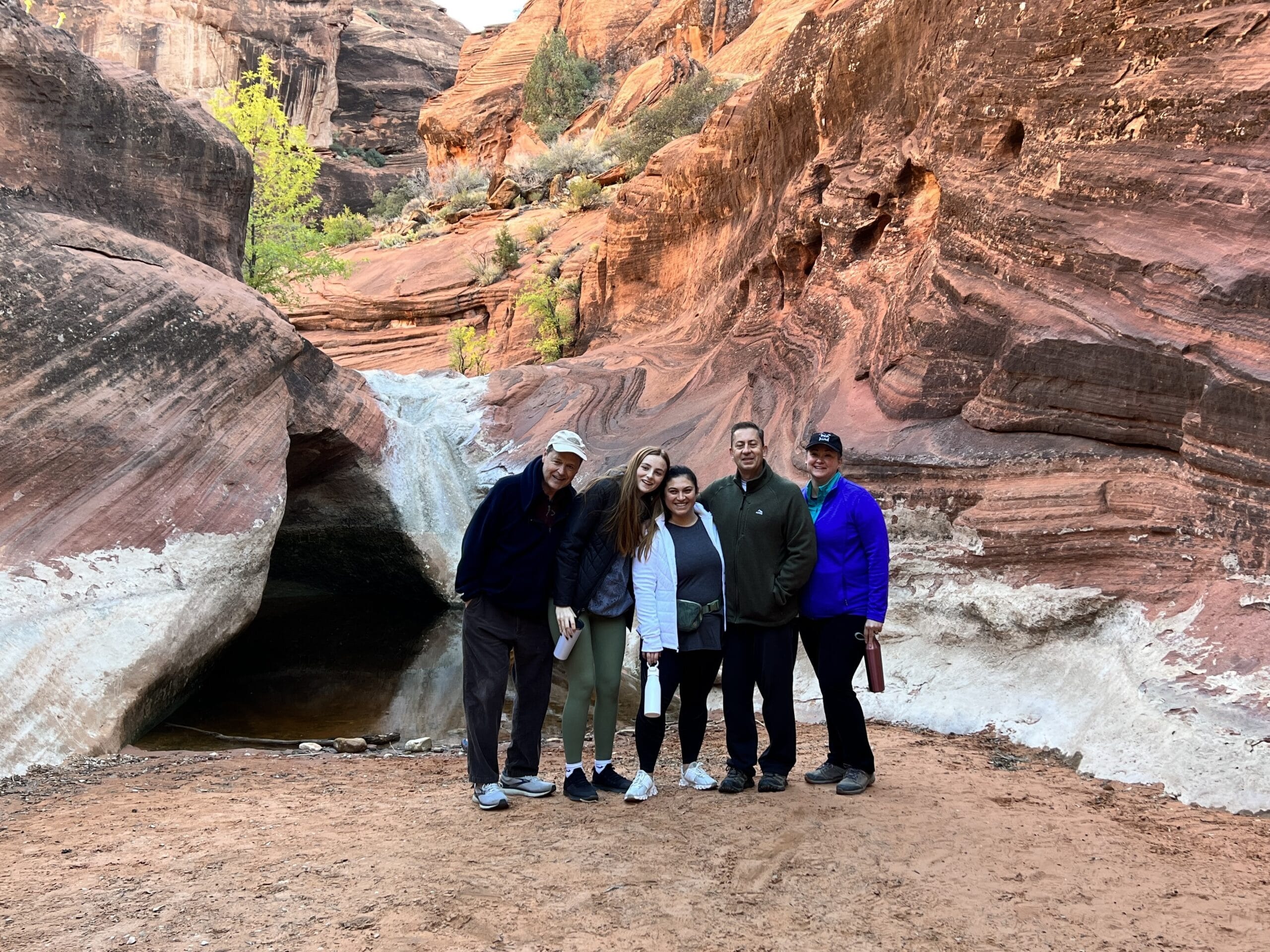
At The Bridge, guests integrate daily movement — including guided hikes near Zion National Park — as a core component of their nervous system healing program. Movement in nature provides a double benefit: the physical regulation of movement combined with the calming effect of natural environments on the nervous system. For those dealing with fibromyalgia or chronic pain, movement is adapted to individual capacity, always staying within the window of tolerance.
Vagus Nerve Stimulation: The Master Switch for Nervous System Calm
If there's one anatomical structure at the center of natural nervous system regulation, it's the vagus nerve. Running from your brainstem through your neck, heart, lungs, and abdomen, the vagus nerve is the primary communication highway of the parasympathetic nervous system. High vagal tone — meaning a strong, active vagus nerve — is associated with better emotional regulation, reduced inflammation, lower stress reactivity, and improved heart health.
The good news is that vagal tone is not fixed. It can be intentionally developed through consistent practice. Beyond breathing, here are powerful vagus nerve stimulation techniques:
- Cold water face immersion: Submerging your face in cold water or splashing cold water on your face triggers the mammalian dive reflex — an immediate parasympathetic response that slows heart rate rapidly.
- Humming, singing, or chanting: The vagus nerve innervates the vocal cords. Vibration from humming or singing directly stimulates vagal fibers.
- Gargling: Same principle — activates the vagus nerve via the throat.
- Lateral eye movements: Slow, controlled side-to-side eye movements engage the vagus nerve and promote bilateral brain integration. This is part of why EMDR therapy works for trauma.
- Massage along the neck and ear: Gentle massage near the vagus nerve's path — particularly behind the ears and along the neck — can activate calming responses.
- Laughter and positive social connection: The vagus nerve is intimately connected to our social engagement system. Genuine laughter and safe, warm connection are powerful vagal tonifiers.
At The Bridge, vagus nerve activation is woven throughout the daily schedule — from morning breathing sessions to group connection time to the healing quality of the New Harmony environment itself. For those with chronic fatigue syndrome or CRPS, improving vagal tone is often a foundational part of the recovery process.
Ready to Regulate Your Nervous System at a Deeper Level?
Talk with our team about how The Bridge's 21-day immersive program can help you achieve lasting nervous system balance. Free, no-pressure consultation.
Diet, Sleep, and Environment: The Often-Overlooked Pillars of Nervous System Health
Breathing and movement get most of the attention in nervous system regulation discussions — but diet, sleep, and environmental inputs are equally powerful. Every substance you consume, every environment you inhabit, and every sleep pattern you maintain is either supporting or undermining your nervous system's capacity to self-regulate.
Nutrition for nervous system regulation:
- Omega-3 fatty acids: Found in fatty fish, walnuts, and flaxseed, omega-3s reduce neuroinflammation and support healthy neurotransmitter function.
- Magnesium: Often called "nature's relaxant," magnesium is involved in over 300 enzymatic reactions, including those that regulate the stress response. Most people are deficient.
- Fermented foods: The gut-brain axis is real — gut health directly influences nervous system function via the vagus nerve. Sauerkraut, kefir, and kimchi support gut microbiome diversity.
- Reduce caffeine and alcohol: Both directly dysregulate the ANS. Caffeine amplifies sympathetic activation; alcohol disrupts sleep architecture and depletes GABA.
- Blood sugar stability: Spikes and crashes in blood sugar trigger cortisol release — a stress hormone that activates the sympathetic nervous system. Eating balanced meals with protein, fat, and fiber stabilizes this.
Dr. Brooks emphasizes that nutrition is never addressed in isolation at The Bridge. "The body is a system. You can't expect someone to regulate their nervous system if they're running on blood sugar instability and chronic inflammation. We address nutrition as part of the whole picture."
Sleep and the nervous system: Poor sleep creates a vicious cycle — a dysregulated nervous system disrupts sleep, and poor sleep further dysregulates the nervous system. Prioritize sleep hygiene: consistent sleep times, cool and dark room, no screens 60 minutes before bed, and morning sunlight exposure to anchor your circadian rhythm.
Environmental inputs: Your nervous system is constantly processing sensory input from your environment. Chronic exposure to noise, crowding, artificial light, and electromagnetic stimulation keeps the sympathetic nervous system activated. Spending time in nature — especially near water or in forests — measurably reduces cortisol and activates parasympathetic responses. This is one reason The Bridge's location in southern Utah's red rock landscape is a deliberate therapeutic choice.


Mindfulness and Nervous System Regulation: Beyond Relaxation
Mindfulness has become something of a buzzword — but when practiced correctly, it is one of the most scientifically validated tools for regulating the nervous system. The key distinction is that effective mindfulness for nervous system healing isn't simply about relaxation or emptying the mind. It's about developing present-moment awareness of your internal state without judgment.
This quality of attention — what researchers call interoceptive awareness — is actually a trainable skill that directly improves your nervous system's self-regulation capacity. When you can notice body sensations, emotional states, and nervous system activation without being overwhelmed by them, you develop what clinicians call a wider "window of tolerance." This means you can handle stress without tipping into overwhelm, and come back to baseline more quickly.
Mindfulness practices that specifically support nervous system regulation include:
- Body scan meditation: A systematic, non-judgmental awareness of physical sensations from head to toe. This practice literally rewires interoceptive circuitry in the brain.
- Mindful breathing: Not just breathing, but noticing the quality of each breath — the sensation, the rhythm, the places in your body that respond. This deepens the regulatory effect.
- RAIN practice: Recognize, Allow, Investigate, Nurture — a mindfulness-based approach to working with difficult emotions and nervous system states developed by Tara Brach.
- Open monitoring meditation: Rather than focusing on a single object, allowing all sensations and thoughts to arise and pass without engaging. This builds equanimity at a nervous system level.
For those with anxiety disorders or depression, mindfulness practices must be introduced carefully. For highly dysregulated nervous systems, formal meditation can initially increase anxiety — the opposite of the intended effect. A trauma-sensitive approach, often integrated with somatic work, produces far better outcomes. This is exactly the nuanced approach Dr. Brooks and his team take at The Bridge.

When Self-Regulation Isn't Enough: The Case for Immersive Healing
For many people, the techniques described in this guide provide meaningful relief. But for those with deeply entrenched nervous system dysregulation — especially those dealing with complex trauma, autoimmune conditions, or treatment-resistant chronic pain — self-directed practice has real limits.
The nervous system heals best in a safe, regulated environment with consistent support, structure, and professional guidance. This is the philosophy behind The Bridge Health Recovery Center's 21-day immersive program in New Harmony, Utah.
Our program integrates every evidence-based tool for nervous system regulation into a comprehensive daily structure:
- Daily somatic and breathwork sessions with trained practitioners
- Personalized nutrition protocols addressing inflammation and deficiencies
- Mind-body medicine guided by Dr. Daren Brooks, D.O.
- Nature immersion — daily hikes near Zion National Park
- Trauma-informed group and individual support
- Sleep optimization and circadian rhythm restoration
- Vagus nerve training and biofeedback
In 21 days, guests gain not just relief, but a completely new relationship with their nervous systems. They leave with the skills, knowledge, and embodied experience to continue regulating effectively at home.
"What we've seen over 3,500 guests is this: the nervous system wants to heal. It just needs the right conditions — safety, support, and the right inputs — and it will do exactly that." — Dr. Daren Brooks, D.O.
To learn more about related topics that support your healing, read our guides on somatic exercises for trauma release and vagus nerve exercises for anxiety.
Frequently Asked Questions
How long does it take to regulate your nervous system naturally?
Results vary depending on the degree of dysregulation and consistency of practice. Many people notice meaningful shifts in 4-8 weeks of daily practice. For those with chronic dysregulation from trauma or long-term illness, more intensive support — such as an immersive program — can accelerate results significantly. The nervous system is highly neuroplastic and responds to consistent, appropriate input at any age.
Can you regulate your nervous system naturally without medication?
Yes — for many people, natural nervous system regulation techniques are highly effective without medication. Breathing practices, somatic work, vagus nerve stimulation, nutrition, sleep optimization, and mindfulness all have strong scientific support. However, medication is sometimes appropriate and the decision should always involve a qualified healthcare provider. At The Bridge, we work within a spectrum of approaches individualized to each guest's situation.
What is the fastest way to regulate your nervous system in a crisis?
In an acute stress response, extended exhale breathing is the fastest intervention — inhale for 4 counts, exhale for 6-8. If breathing doesn't help, try the cold water face immersion technique: splash or submerge your face in cold water for 15-30 seconds. This triggers the mammalian dive reflex and produces an almost immediate parasympathetic response. Bilateral movement (walking or tapping alternating left-right) can also help shift out of freeze states.
How does chronic illness affect nervous system regulation?
Chronic illness creates a feedback loop with nervous system dysregulation. Pain, fatigue, and inflammation all activate the sympathetic nervous system, while a dysregulated nervous system amplifies pain, worsens fatigue, and drives inflammation. This is particularly relevant in conditions like fibromyalgia, CRPS, chronic fatigue syndrome, and autoimmune disorders. Breaking this cycle requires addressing the nervous system directly, not just the symptoms — which is the core philosophy at The Bridge Health Recovery Center.
Is The Bridge Health Recovery Center covered by insurance?
Many guests find that insurance covers a portion of The Bridge program. We work with a variety of insurance providers and encourage you to verify your specific benefits. You can verify your insurance coverage quickly at our insurance verification page, or call us at (435) 559-1922 and our team will guide you through the process.
Your Healing Journey Starts With One Conversation
Schedule a free, no-pressure consultation with our team. We'll help you understand if The Bridge is right for your situation.