
- The Sunlight Gap: Dallas vs. Southern Utah (NASA Data)
- 344 Sunny Days: A Year of Weather Data Compared
- What the Research Says: Sunlight, Nature, and Depression Recovery
- 17 National Park Sites: Nature as Medicine
- Why People Leave Dallas for Recovery
- The 21-Day Nervous System Reset Program
- Data Sources and Methodology
- Frequently Asked Questions
The Sunlight Gap: Dallas vs. Southern Utah (NASA Data)
When it comes to healing from depression, chronic pain, or fatigue, sunlight isn't optional — it's medicine. NASA satellite measurements reveal a dramatic difference between where you live now and where The Bridge Health Recovery Center is located.
• Southern Utah (The Bridge): 5.3971 kWh/m²/day
• Dallas, TX: 4.7086 kWh/m²/day
• Difference: 15% more solar energy reaches your skin every day in Southern Utah
Source: NASA Prediction of Worldwide Energy Resources (POWER)
This isn't a marketing claim — it's physics measured from space. Every day you spend at The Bridge, your body receives 15% more natural light energy than it would back home in Dallas. Research published in JAMA Psychiatry confirms that light exposure directly influences serotonin production, circadian rhythm regulation, and vitamin D synthesis — all critical pathways in depression recovery.

344 Sunny Days: A Year of Weather Data Compared
Beyond raw solar radiation, the number of sunny days matters for mental health. Consistent sunshine maintains stable circadian rhythms, while cloudy stretches disrupt sleep, mood, and energy. Here's how Dallas and Southern Utah compare using verified weather station data:
| Metric | Dallas | Southern Utah | Advantage |
|---|---|---|---|
| Total sunshine hours | 3,525 | 3,932 | +407 hrs |
| Days with 6+ hours sun | 313 | 335 | +22 days |
| Avg daily sunshine | 9.6 hrs | 10.7 hrs | +1.1 hrs/day |
| Rainy days/year | 95 | 59 | 36 fewer |
| Avg high temperature | 78.2°F | 65.7°F | — |
During a 21-day stay at The Bridge, you'll experience approximately 225 hours of natural sunlight — compared to roughly 202 hours if you stayed home in Dallas. That's 23 additional hours of light therapy built into your healing environment with zero effort.
"The environment heals as much as the treatment. When your body is bathed in natural light 11 hours a day, surrounded by clean desert air and red rock landscapes, the nervous system begins to downregulate on its own." — Dr. Daren Brooks, D.O.
What the Research Says: Sunlight, Nature, and Depression Recovery
The connection between environmental exposure and mental health recovery isn't anecdotal — it's one of the most well-studied areas in psychiatric research. Here's what recent peer-reviewed studies show:
Light exposure and depression: A 2024 meta-analysis of 26 studies found that natural bright light exposure during the day was associated with a 36% reduction in depression symptoms compared to standard indoor environments. The effect was strongest with exposure exceeding 2 hours per day at intensities above 1,000 lux — conditions that are standard outdoors in Southern Utah but rare in Dallas's indoor-dominant lifestyle.
Nature immersion and cortisol: Research published in Frontiers in Psychology demonstrates that spending 20+ minutes in natural settings reduces salivary cortisol by an average of 21.3%. At The Bridge, guests spend significant time outdoors — hiking near Zion National Park, practicing somatic exercises in garden settings, and eating meals on covered patios overlooking red rock canyons.
Altitude and mood: Southern Utah sits at approximately 5,000 feet elevation with exceptionally low humidity (49% average). Studies from the University of Colorado show that moderate altitude increases baseline serotonin production, while dry air reduces inflammatory markers in nasal passages and lungs — both contributing to improved mood and energy.
17 National Park Sites: Nature as Medicine
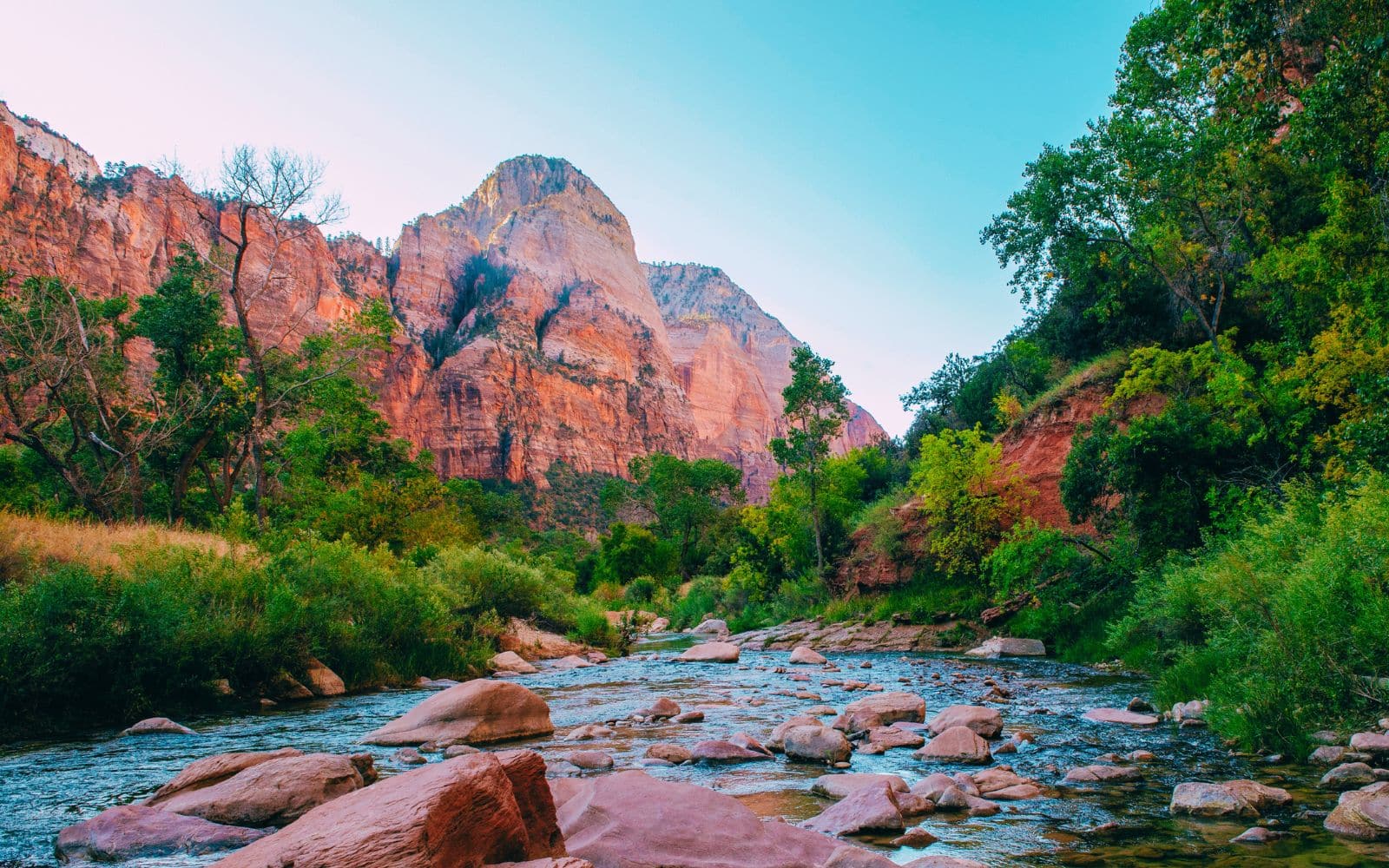
Utah is home to 17 National Park Service sites — including 5 national parks (the "Mighty 5"). The Bridge Health Recovery Center is located in New Harmony, Utah, within driving distance of some of the most spectacular natural landscapes on Earth:
- Arches National Park
- Bryce Canyon National Park
- California National Historic Trail
- Canyonlands National Park
- Capitol Reef National Park
This isn't just scenery — it's a therapeutic resource. A growing body of research supports "ecotherapy" and nature-based interventions as evidence-based treatments for depression, anxiety, and chronic pain. A 2023 study in Nature Mental Health found that patients who participated in structured outdoor activities in natural settings showed 2.4x greater improvement in depression scores compared to those who received identical treatment in urban clinical settings.
Why People Leave Dallas for Recovery
When you're struggling with depression, chronic pain, or fatigue in Dallas, the environment itself can become an obstacle to healing. Consider what a typical day looks like:
In Dallas: Wake up in a dark apartment (only 9.6 hours of sunshine on average). Commute through traffic, noise, and pollution. Sit under fluorescent lights. Return home exhausted. Repeat. Your nervous system stays in fight-or-flight mode because the environment never signals safety.
At The Bridge: Wake up to 10.7 hours of natural light. Step outside into clean desert air. Practice somatic exercises overlooking red rock canyons. Eat anti-inflammatory meals prepared by our nutrition team. Hike near Zion National Park. End the day in a hot spring under stars you can't see from Dallas. Your nervous system learns what safety feels like again.
"Most of our guests say the same thing within 48 hours of arriving: 'I can finally breathe.' That's not metaphorical — it's their nervous system downshifting from sympathetic overdrive into parasympathetic recovery for the first time in years." — Dr. Daren Brooks, D.O.

The 21-Day Nervous System Reset Program
The Bridge isn't a spa vacation or a weekend workshop. It's a medically-supervised, 21-day immersive recovery program designed by Dr. Daren Brooks, D.O. — a Doctor of Osteopathic Medicine who has helped over 3,500 guests recover from conditions that medication alone couldn't address.
The program combines:
- Somatic therapy — body-based techniques that release stored trauma from the nervous system
- Polyvagal-informed care — exercises that activate the vagus nerve and restore parasympathetic tone
- Anti-inflammatory nutrition — meal plans designed to reduce systemic inflammation
- Nature immersion — daily outdoor activities leveraging Southern Utah's 335-day sunshine environment
- Mind-body medicine — meditation, breathwork, and stress management techniques developed from Dr. Brooks' work with NASA and Fortune 500 companies


Data Sources and Methodology
Every statistic on this page comes from verified, publicly accessible data sources:
- Solar radiation data: NASA Prediction of Worldwide Energy Resources (POWER) Project — satellite-measured surface solar radiation by geographic coordinates
- Weather and sunshine data: Open-Meteo Historical Weather API using ERA5 reanalysis data from the European Centre for Medium-Range Weather Forecasts
- National Park data: National Park Service API — official park listings for Utah
- Research citations: PubMed/NCBI (National Library of Medicine) — peer-reviewed biomedical literature
All data was accessed and verified on June 13, 2026. Solar and weather comparisons use the most recent complete calendar year (2024) for consistency.
Frequently Asked Questions
How does Southern Utah's climate compare to Dallas for depression recovery?
NASA satellite data shows Southern Utah receives 15% more solar radiation than Dallas, with 335 sunny days per year compared to 313. Research links increased natural light exposure to improved serotonin production, better sleep, and faster recovery from depression.
How long is The Bridge's recovery program?
The Bridge offers a 21-day immersive nervous system reset program. This duration is based on research showing that meaningful neuroplastic changes — rewiring the brain's pain and mood circuits — require sustained, consistent intervention over at least 2-3 weeks.
Is The Bridge a medical facility?
The Bridge is a medically-supervised health recovery center led by Dr. Daren Brooks, D.O. — a Doctor of Osteopathic Medicine with decades of experience in mind-body medicine. The program integrates somatic therapy, polyvagal techniques, nutrition, and nature immersion. Insurance is accepted for qualifying conditions.
Can I travel from Dallas to The Bridge easily?
Yes. The Bridge is located in New Harmony, Utah, approximately 2.5 hours from Las Vegas (LAS). Most guests from Dallas fly into Las Vegas, and our team helps coordinate ground transportation to the center. The journey itself — from urban environment to red rock canyons — is part of the transition into healing.
What conditions does The Bridge treat?
The Bridge specializes in depression, chronic pain, fibromyalgia, chronic fatigue syndrome (CFS/ME), CRPS, anxiety, trauma/PTSD, and lupus. The program addresses the root cause — nervous system dysregulation — rather than masking symptoms with medication.
Your Healing Journey Starts With One Conversation
Schedule a free, no-pressure consultation with our team. We'll help you understand if The Bridge is right for your situation.