

- What Is Somatic Therapy and Why Your Nervous System Needs It
- How the Nervous System Gets Stuck
- Evidence-Based Somatic Therapy Modalities
- Practical Somatic Techniques
- Conditions That Respond to Somatic Therapy
- What to Expect: The Bridge Approach
- The Role of Nature in Somatic Regulation
- How to Start Your Somatic Healing Journey
- Frequently Asked Questions
- Somatic therapy works by addressing trauma and stress stored in the body's tissues and nervous system — not just the mind.
- The autonomic nervous system cannot be fully regulated through thinking alone — body-level interventions are essential for lasting change.
- Evidence-based modalities include Somatic Experiencing, EMDR, sensorimotor psychotherapy, and bioenergetic analysis.
- Conditions including fibromyalgia, CRPS, chronic fatigue, anxiety, depression, and PTSD all have a nervous system component that responds to somatic work.
- Simple daily practices like extended-exhale breathing and orienting can begin supporting nervous system regulation immediately.
- Immersive residential programs like The Bridge's 21-day program offer the most accelerated pathway for deep nervous system healing.
What Is Somatic Therapy and Why Your Nervous System Needs It
If you've tried talk therapy, medication, or meditation and still feel stuck in a cycle of pain, anxiety, or exhaustion, there's a reason—and it has everything to do with your nervous system. Somatic therapy for nervous system regulation works differently from conventional treatments because it targets the body itself, not just the mind.
The word "somatic" comes from the Greek word soma, meaning body. Somatic therapy is a body-centered approach that recognizes what neuroscience has confirmed: trauma, chronic stress, and unresolved emotional pain are stored in the body's tissues, muscles, and nervous system—not just in the mind. And until that stored tension is released, no amount of talking will fully resolve it.
At The Bridge Health Recovery Center in New Harmony, Utah, somatic therapy is the cornerstone of everything we do. Our founder, Dr. Daren Brooks, D.O., has spent decades studying the science of mind-body medicine and has seen firsthand how somatic approaches can unlock healing that nothing else can.

How the Nervous System Gets Stuck—and Why Somatic Work Helps
Your autonomic nervous system (ANS) has two primary branches: the sympathetic nervous system (fight-or-flight) and the parasympathetic nervous system (rest-and-digest). In a healthy, regulated nervous system, these two systems work in balance—you respond to stress, then return to calm.
But when stress is chronic, trauma goes unprocessed, or illness depletes your system, the nervous system can get stuck in a state of chronic activation. Your body never fully returns to rest. This state—called nervous system dysregulation—underlies a wide range of conditions including fibromyalgia, CRPS, chronic fatigue, anxiety, and depression.
Here's why this matters for somatic therapy: the nervous system cannot be regulated through thinking alone. The fight-or-flight response is a subcortical process—it happens below the level of conscious thought. The amygdala, the brain's threat-detection center, doesn't respond to logic or reasoning. It responds to body-level signals. This is why somatic therapy works: by changing the signals coming from the body, you can directly calm an overactivated nervous system.
"We tell people all the time: you can't think your way out of a dysregulated nervous system. The healing happens in the body, through the body. Somatic therapy gives your nervous system permission to finally let go." — Dr. Daren Brooks, D.O.
Evidence-Based Somatic Therapy Modalities
The field of somatic therapy encompasses several distinct modalities, each with its own approach to nervous system regulation. Understanding these can help you find the right fit for your situation.
Somatic Experiencing (SE)
Developed by Dr. Peter Levine, Somatic Experiencing is one of the most well-researched somatic approaches. It works by helping the body complete defensive responses that got "frozen" during overwhelming experiences. Animals in the wild naturally shake and tremble after a threatening event—this discharges the survival energy. Humans, conditioned to suppress these responses, often store that energy instead. SE gently guides the body to complete these cycles.
In our work with guests dealing with trauma disorders, SE has shown remarkable results, particularly for individuals whose nervous systems are locked in a freeze response.
EMDR (Eye Movement Desensitization and Reprocessing)
While EMDR is sometimes categorized as a cognitive approach, its bilateral stimulation component is fundamentally somatic. The side-to-side eye movements (or tapping) activate the brain's information-processing system in a way that mimics REM sleep, allowing traumatic memories to be processed and stored differently. Multiple studies have confirmed EMDR's effectiveness for PTSD and trauma-related conditions.
Sensorimotor Psychotherapy
This approach integrates body-based interventions directly into traditional psychotherapy. Therapists trained in sensorimotor psychotherapy pay close attention to body posture, movement, breath, and physical sensation as the therapeutic process unfolds, working with the body and mind simultaneously.
Bioenergetic Analysis
Based on Wilhelm Reich's work and developed by Alexander Lowen, bioenergetics explores how emotional conflicts and trauma manifest as chronic muscular tension and postural patterns. Working with breath, movement, and bodywork releases this tension and restores the natural flow of energy through the body.

Practical Somatic Techniques for Nervous System Regulation
While working with a trained somatic therapist provides the deepest healing, there are evidence-backed somatic techniques you can begin practicing today to support your nervous system.
Diaphragmatic Breathing (Extended Exhale)
One of the most powerful tools for activating the parasympathetic nervous system is extending your exhale beyond your inhale. The exhale phase of breathing stimulates the vagus nerve, which is the primary highway of the parasympathetic system. Try inhaling for 4 counts, then exhaling slowly for 7-8 counts. Even five minutes of this practice can measurably shift your autonomic state.
Orienting
This simple technique comes directly from Somatic Experiencing. When you feel activated or anxious, slowly turn your head and let your eyes rest on objects in the room. Notice colors, shapes, textures. This intentional orienting toward the present environment sends safety signals to the brain's threat-detection system, communicating: "I'm here, I'm safe, there's no predator."
Titration
Titration means approaching difficult sensations in small, manageable doses rather than diving into the full intensity. A skilled somatic therapist guides you to touch the edge of a difficult feeling, then back away to safety—building capacity gradually rather than flooding the system.
Pendulation
This technique involves consciously moving attention between an area of distress and an area of relative comfort or neutrality in the body. The nervous system learns to move fluidly rather than getting stuck in a state. Over time, this builds the capacity to tolerate and process difficult sensations.
Grounding Through the Feet
When the nervous system is in a high-arousal state, bringing attention to the physical sensations of your feet on the ground can rapidly anchor you in the present moment. Feel the temperature of the floor, the pressure, the texture. This bottom-up regulation bypasses the overactivated thinking mind entirely.
Conditions That Respond to Somatic Therapy
Research and clinical experience continue to expand our understanding of which conditions respond to somatic nervous system work. The list is longer than most people expect.
Chronic Pain Conditions
Conditions like fibromyalgia, CRPS, and generalized chronic pain often have a significant central sensitization component—meaning the nervous system itself has been trained to amplify pain signals. Somatic therapy works directly with this central sensitization, helping to retrain how the nervous system processes sensation. Many of our guests with chronic pain report significant reduction after completing somatic work.
Anxiety and Panic
Anxiety lives in the body, not just the mind. The racing heart, tight chest, shallow breath, and scanning alertness are all somatic phenomena driven by an overactivated sympathetic nervous system. Somatic therapy addresses these symptoms at their source rather than simply managing their cognitive expression.
Depression
While depression is often thought of as a chemical imbalance, it's also a state of nervous system shutdown—often a collapse response to overwhelm. Somatic approaches for depression work to restore vitality and aliveness to a system that has gone into protective shutdown. Movement-based somatic therapies are particularly effective here.
Trauma and PTSD
The research evidence is strongest for somatic approaches in treating trauma and PTSD. When a traumatic event overwhelms the nervous system's capacity to process, the memory is stored in a raw, unprocessed form—accessible through body sensations, triggers, and somatic flashbacks. Somatic therapy completes what the original event could not: a full processing and discharge of the traumatic material.
Autoimmune Conditions
Emerging research suggests a bidirectional relationship between nervous system dysregulation and autoimmune activity. Chronic activation of the stress response influences immune function in complex ways. We've seen many guests with lupus and other autoimmune conditions experience fewer flares and reduced symptom severity after addressing the nervous system dimension of their illness.
"Every chronic illness we treat at The Bridge has a nervous system component. This isn't alternative medicine—it's the direction all of medicine is heading. The body-mind connection is not a metaphor; it's neuroscience." — Dr. Daren Brooks, D.O.
What to Expect in Somatic Therapy: The Bridge Approach
At The Bridge Health Recovery Center, somatic therapy is woven into a comprehensive 21-day residential program. Here's what the process looks like for our guests.
Week One: Assessment and Stabilization
The first week focuses on thorough assessment and building the foundational skills of somatic self-regulation. We get to know your nervous system's unique patterns—how it responds to stress, where tension tends to gather, and what helps you shift back toward calm. You'll learn basic orienting, grounding, and breathwork techniques that become your daily toolkit.
Week Two: Deeper Processing
With a stabilized foundation, the second week moves into deeper somatic processing work. This is where we begin to gently approach and discharge stored activation, whether from acute trauma, chronic stress, or illness. Sessions are carefully titrated—we never overwhelm your system, always working at the pace that allows integration rather than retraumatization.
Week Three: Integration and Forward Plan
The final week focuses on integrating what has shifted and building a personalized plan for continued healing at home. You leave not just feeling better, but understanding why you feel better and exactly how to maintain and build on your gains.

The Role of Nature in Somatic Nervous System Regulation
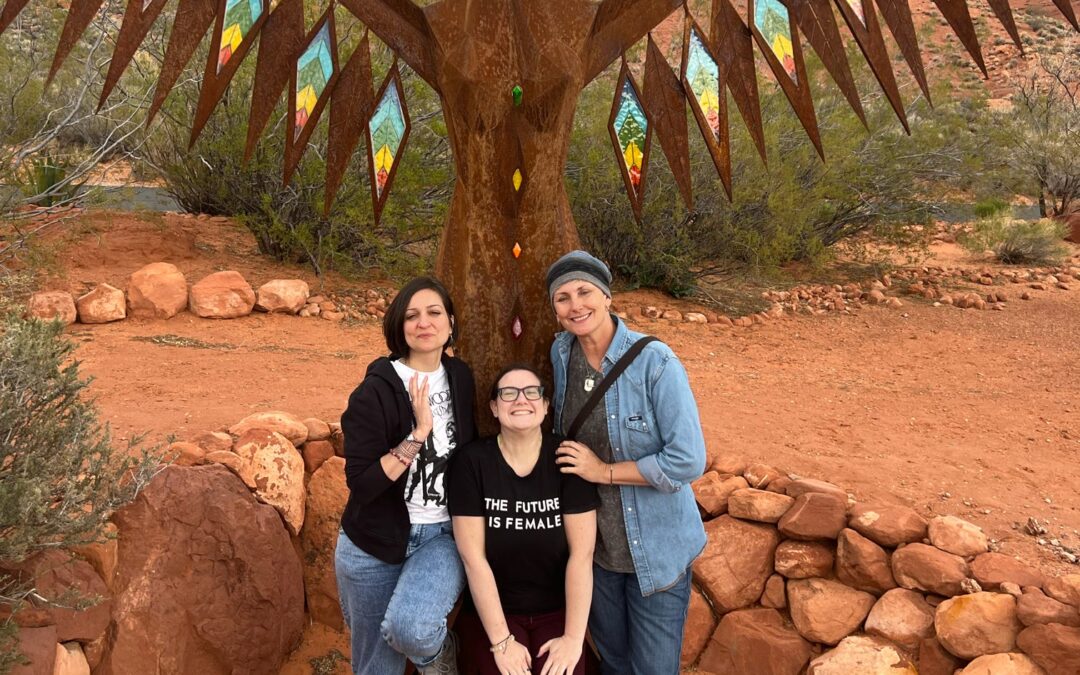
One aspect of The Bridge's approach that guests consistently comment on is the healing environment itself. Located in New Harmony, Utah—surrounded by the red rock landscapes of southern Utah and within easy reach of Zion National Park—The Bridge uses nature as an active therapeutic tool.
The research on nature and the nervous system is compelling. Exposure to natural environments measurably reduces cortisol levels, lowers heart rate, and shifts autonomic balance toward parasympathetic dominance. This is not simply about feeling relaxed—it's a measurable physiological shift that makes somatic work more accessible and more effective.
Our daily hikes, outdoor meditation sessions, and time spent in the extraordinary landscape of southern Utah are not extras—they're integral parts of the somatic healing process. Nature speaks directly to the nervous system in a language that predates human language itself.


The Bridge Health Recovery Center — New Harmony, Utah
How to Start Your Somatic Healing Journey
If you're ready to explore somatic therapy for nervous system regulation, here are practical steps to begin.
Find a Trained Somatic Therapist
Look for therapists trained specifically in somatic approaches—Somatic Experiencing (SE) practitioners, EMDR therapists, or therapists trained in sensorimotor psychotherapy. The quality of training matters significantly in somatic work, as poorly guided sessions can be counterproductive.
Start with Simple Daily Practices
Even before working with a therapist, you can begin supporting your nervous system daily. Extended-exhale breathing, regular time in nature, gentle movement, and intentional rest are all somatic practices that accumulate over time. Consistency matters more than intensity—five minutes of grounding practice daily outperforms an hour-long session once a week.
Consider an Immersive Program
For those dealing with deep-rooted dysregulation, complex trauma, or chronic conditions that haven't responded to conventional treatment, an immersive residential program offers something outpatient care cannot: a protected environment where every element—therapy, nutrition, sleep, nature, movement, and community—is coordinated to support nervous system healing simultaneously.
Our 21-day program at The Bridge is specifically designed for this population. If you're ready to make a meaningful shift rather than another incremental attempt, we encourage you to reach out and explore whether The Bridge is right for you.
Ready to Begin Somatic Healing?
Speak with our team about our 21-day somatic nervous system program — 3,500+ guests have found lasting relief.
Frequently Asked Questions
Somatic therapy for nervous system regulation is a body-centered therapeutic approach that works directly with physical sensations, movement, and breath to help the autonomic nervous system shift from a state of chronic stress activation into a more balanced, regulated state. Unlike talk therapy, somatic therapy recognizes that trauma and chronic stress are stored in the body and must be addressed at the body level to achieve lasting change.
The timeline varies depending on the individual, the depth of dysregulation, and the frequency of sessions. Some people notice meaningful shifts within a few sessions; others with deep-rooted trauma or complex conditions may benefit from months of consistent work. Immersive programs like The Bridge's 21-day residential program can accelerate progress significantly by creating an environment where somatic work is supported around the clock.
Yes. Multiple evidence-based modalities fall under the somatic therapy umbrella, including EMDR (extensively researched for PTSD), Somatic Experiencing (supported by multiple studies), and sensorimotor psychotherapy. The broader field of somatic psychology is supported by decades of neuroscience research, including work on polyvagal theory, neuroplasticity, and the neuroscience of trauma.
Somatic therapy can be highly effective for certain types of chronic pain, particularly conditions involving central sensitization such as fibromyalgia, CRPS, and widespread chronic pain. These conditions involve the nervous system amplifying pain signals, and somatic work addresses this amplification directly. Many guests at The Bridge with long-standing chronic pain conditions report significant improvements through our somatic-focused program.
At The Bridge Health Recovery Center, our somatic therapy program addresses a wide range of conditions including fibromyalgia, CRPS/RSD, chronic fatigue syndrome, lupus, depression, anxiety, PTSD, and complex trauma. Our holistic 21-day program combines somatic therapy with nutrition, movement, nature immersion, and Dr. Brooks' expertise in mind-body medicine to address the nervous system dimension of these conditions.
What Our Guests Say
Ready to Heal Your Nervous System?
The Bridge Health Recovery Center offers a 21-day residential somatic therapy program in the healing landscapes of Southern Utah. Over 3,500 guests have found lasting relief from chronic pain, trauma, anxiety, and more.