
- What Is GAD — And Why Conventional Treatments Often Fall Short
- The Nervous System Root Cause Behind GAD
- Vagus Nerve Activation: The Most Powerful Natural Remedy
- Nutrition and Supplements That Support GAD Recovery
- Somatic Practices for Generalized Anxiety Disorder
- Lifestyle Interventions With the Strongest Evidence Base
- Mind-Body Therapies: Proven Natural Approaches
- Why Immersive Natural Recovery Programs Work When Self-Help Doesn't
- Frequently Asked Questions
- GAD is rooted in autonomic nervous system dysregulation — natural remedies work by addressing this root cause, not just masking symptoms
- Vagus nerve activation through breathing, cold exposure, and humming is among the most immediate and evidence-based natural interventions
- Supplements with strong clinical evidence include magnesium glycinate, ashwagandha, L-theanine, and omega-3 fatty acids
- Somatic therapies like Somatic Experiencing and progressive muscle relaxation address the physical dimension of anxiety that cognitive approaches miss
- Lifestyle factors — particularly aerobic exercise, sleep optimization, and nature exposure — have comparable efficacy to medication for mild-to-moderate GAD
- Immersive programs that integrate multiple natural modalities simultaneously produce the fastest and most durable outcomes for persistent or treatment-resistant GAD
What Is Generalized Anxiety Disorder — And Why Conventional Treatments Often Fall Short
Generalized anxiety disorder (GAD) affects more than 6.8 million adults in the United States, yet fewer than half receive any treatment at all. Of those who do seek help, many find that prescription medications provide only partial relief — or come with side effects that create new problems. If you've been searching for generalized anxiety disorder natural remedies, you're not alone, and you're asking exactly the right question.
GAD is characterized by persistent, excessive worry about a wide range of everyday situations. Unlike situational anxiety that resolves when a stressor passes, GAD creates a near-constant state of mental and physical tension. The body stays locked in a low-grade "threat response," exhausting the nervous system, disrupting sleep, tightening muscles, and eroding quality of life. At The Bridge Health Recovery Center in New Harmony, Utah, we see this pattern daily — and we know that true healing requires addressing the nervous system itself, not just symptom management.
The good news is that a growing body of research supports a range of natural approaches to anxiety that can produce lasting, meaningful relief when applied consistently and comprehensively.
The Nervous System Root Cause Behind GAD
To understand why natural remedies for generalized anxiety disorder work, you first need to understand what's actually happening in your nervous system. GAD isn't just a thought problem — it's a dysregulation of the autonomic nervous system (ANS), specifically an overactivation of the sympathetic "fight-or-flight" branch combined with suppression of the parasympathetic "rest-and-digest" branch.
Dr. Daren Brooks, D.O., founder of The Bridge, explains it this way: "GAD is the nervous system stuck in a loop. The brain has learned to interpret ambiguity as danger, and it keeps firing the alarm even when there's nothing to fight or flee from. Natural remedies work because they interrupt this loop at the physiological level — calming the vagus nerve, reducing cortisol, and helping the body remember what safety feels like."

This is why addressing the nervous system's stress response is central to our approach at The Bridge. When you calm the underlying dysregulation, the anxiety doesn't just decrease — it begins to resolve from the inside out. You can also read our deep dive on the connection between anxiety and the nervous system to understand this mechanism further.
Vagus Nerve Activation: The Most Powerful Natural Remedy for GAD
The vagus nerve is the longest cranial nerve in the body, running from your brainstem to your gut. It acts as the primary pathway for the parasympathetic nervous system — your body's built-in calming system. Research published in Frontiers in Psychiatry shows that vagus nerve stimulation significantly reduces anxiety symptoms in people with treatment-resistant conditions.
You don't need an implanted device to stimulate your vagus nerve. These evidence-based practices activate it naturally:
- Diaphragmatic breathing: Slow, deep breaths that extend the exhale (inhale 4 counts, exhale 6-8 counts) directly activate the vagal brake
- Cold water immersion: Splashing cold water on your face or a cold shower triggers the diving reflex and vagal tone
- Humming or chanting: Vibration in the throat stimulates the vagus nerve directly
- Gargling with water: Activates the vagal branches in the throat
- Laughter and social connection: Both increase heart rate variability (HRV), a marker of vagal tone
Our guide to vagus nerve exercises for anxiety covers each of these techniques in detail with step-by-step instructions.
"The vagus nerve is your body's internal pharmacist. When you learn to activate it deliberately, you're essentially dispensing your own natural anti-anxiety medicine." — Dr. Daren Brooks, D.O., Founder of The Bridge Health Recovery Center
Nutrition and Supplements That Support GAD Recovery
What you eat directly affects your brain chemistry and nervous system function. For those managing generalized anxiety disorder, several nutritional interventions have strong research support:
These supplements have demonstrated anxiety-reducing effects in clinical research. Always consult your healthcare provider before starting new supplements, especially if you're on prescription medications.
Magnesium Glycinate
Magnesium deficiency is associated with increased anxiety and hyperactivation of the HPA axis (the body's stress response system). Studies show that magnesium supplementation reduces anxiety symptoms, particularly in people who are deficient. Glycinate form is preferred for absorption and sleep support. Typical therapeutic doses range from 300-400mg daily.
L-Theanine
Found naturally in green tea, L-theanine promotes alpha brain wave activity — the relaxed, alert state associated with meditation and calm focus. Research shows it reduces stress response without causing sedation, making it ideal for daytime anxiety management. Effective doses are typically 100-400mg.
Ashwagandha (Withania somnifera)
This adaptogenic herb has demonstrated significant cortisol-lowering effects in multiple randomized controlled trials. A 2019 study in Medicine found that 240mg of ashwagandha extract daily significantly reduced anxiety, stress, and cortisol levels compared to placebo. It supports the HPA axis by modulating the body's stress response rather than suppressing it.
Omega-3 Fatty Acids
A meta-analysis published in JAMA Network Open found that omega-3 supplementation (particularly EPA-rich formulas) significantly reduced anxiety symptoms. The brain is 60% fat, and omega-3s are critical for healthy neurotransmitter function and inflammation regulation — both implicated in anxiety disorders.

The Gut-Brain Connection
Emerging research on the gut-brain axis reveals that 90% of serotonin is produced in the gut. Chronic anxiety often disrupts gut microbiome diversity, which in turn worsens anxiety — creating a vicious cycle. Probiotic supplementation (particularly Lactobacillus rhamnosus) has shown promise in reducing anxiety-related behaviors in both animal and human studies. Learn more about the gut-brain connection and mental health.
Is Natural Anxiety Recovery Right for You?
Our team can help you identify the root causes of your anxiety and build a personalized natural recovery plan.
Somatic Practices for Generalized Anxiety Disorder
Somatic therapies work directly with the body to release stored tension and reset the nervous system's baseline. These approaches recognize that anxiety isn't just mental — it lives in the muscles, the gut, and the posture. Somatic work for anxiety and stress targets the physical manifestations of dysregulation.
Somatic Experiencing (SE)
Developed by Dr. Peter Levine, Somatic Experiencing helps the nervous system process incomplete stress responses that have become locked in the body. Rather than talking about anxiety, SE sessions guide patients to notice body sensations and gently discharge the accumulated tension. Research shows it reduces PTSD and anxiety symptoms significantly. Our post on somatic exercises for trauma release provides accessible techniques you can begin today.
Progressive Muscle Relaxation (PMR)
PMR involves systematically tensing and releasing muscle groups throughout the body. A meta-analysis of 15 studies found PMR significantly reduces anxiety, with effects comparable to medication for mild-to-moderate GAD. The mechanism is twofold: it reduces physiological tension and teaches the nervous system to recognize the contrast between tension and release.
Yoga and Breathwork
Regular yoga practice has been shown to increase GABA (gamma-aminobutyric acid) levels in the brain — the same neurotransmitter targeted by benzodiazepines, but without the dependency risk. Restorative yoga and yin yoga are particularly effective for GAD because they extend time in parasympathetic states. Pranayama (yogic breathing) practices including box breathing and 4-7-8 breathing are among the most researched natural remedies for generalized anxiety disorder.


Lifestyle Interventions With the Strongest Evidence Base
Beyond supplements and somatic work, certain lifestyle factors have robust evidence for reducing GAD symptoms. These aren't soft suggestions — they're interventions with clinical trial support.
Aerobic Exercise
A meta-analysis of 49 randomized controlled trials found exercise significantly reduces anxiety symptoms across all disorders, including GAD. Aerobic exercise reduces cortisol, increases BDNF (brain-derived neurotrophic factor, which supports neural repair), and increases serotonin and endorphin production. Just 30 minutes of moderate aerobic activity five days per week produces measurable anxiety reduction within two to three weeks. Nature-based exercise — hiking, swimming, outdoor cycling — amplifies these benefits through exposure to natural environments.
Sleep Optimization
Anxiety and sleep disruption are bidirectional — each worsens the other. Chronic sleep deprivation increases amygdala reactivity (the brain's fear center) by up to 60%, making the anxious brain significantly more reactive to perceived threats. Prioritizing sleep hygiene through consistent bedtimes, dark rooms, elimination of screens before bed, and temperature regulation (65-67°F is optimal) is a foundational natural intervention for GAD.
Time in Nature
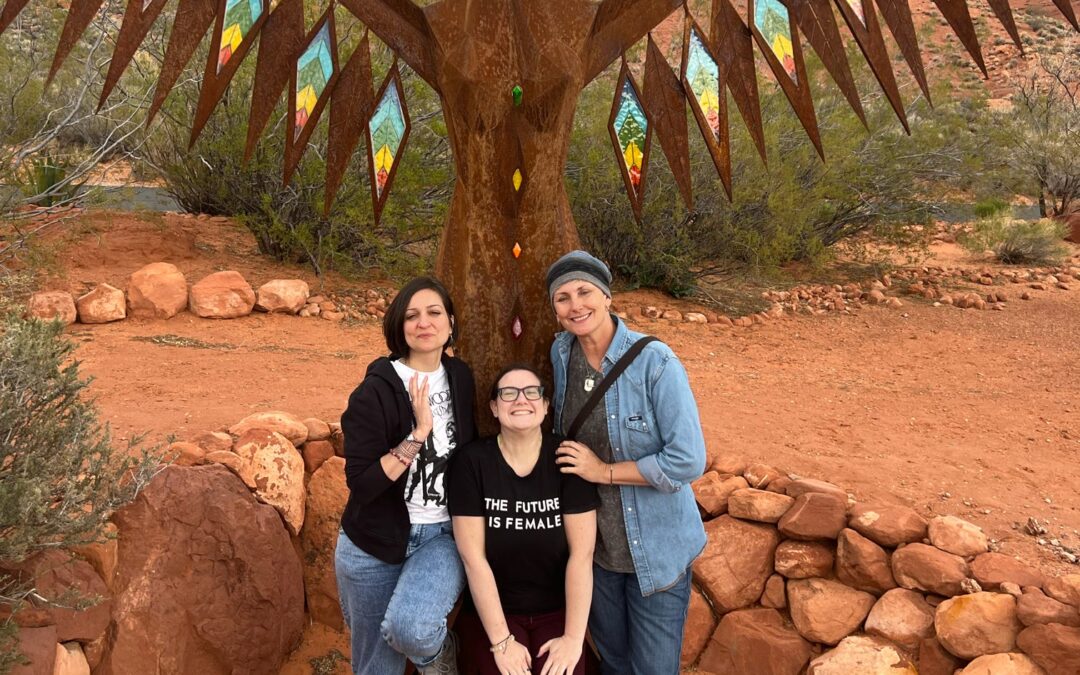
Decades of research on "attention restoration theory" and "nature-based therapy" show that time in natural environments reduces cortisol, lowers blood pressure, and decreases rumination — the repetitive worried thinking that characterizes GAD. Studies show that even 20-minute "nature doses" reduce cortisol measurably. At The Bridge's location amid the red rock landscapes of New Harmony, Utah, nature immersion is integral to our recovery program.
"We've found that guests who spend consistent time outdoors during their stay — even just two 20-minute walks daily — show markedly faster anxiety reduction than those who remain primarily indoors. Nature isn't a luxury. It's medicine." — Dr. Daren Brooks, D.O.
Mind-Body Therapies: Proven Natural Approaches
Mind-body therapies represent perhaps the most well-researched category of generalized anxiety disorder natural remedies. These approaches work by deliberately influencing the mind-body connection to shift the nervous system toward regulation.
Mindfulness-Based Stress Reduction (MBSR)
Jon Kabat-Zinn's MBSR protocol has been extensively studied for GAD. A landmark study published in Psychosomatic Medicine found that MBSR reduced anxiety symptoms by 58% in participants with GAD — outcomes comparable to medication trials. MBSR teaches participants to observe thoughts and sensations without reacting, fundamentally changing the relationship with anxious thoughts rather than trying to eliminate them.
Cognitive Behavioral Therapy (CBT) — Including Self-Directed
CBT is the most evidence-based psychological treatment for GAD, but many elements can be practiced independently. Cognitive restructuring — identifying and challenging catastrophic thinking patterns — is a learnable skill. Tools like worry journals, behavioral experiments, and scheduled "worry time" reduce the power of anxious thoughts over time. Apps and workbooks bring CBT skills to those unable to access in-person therapy.
HeartMath and Heart Rate Variability (HRV) Training
HRV biofeedback teaches users to regulate their autonomic nervous system by focusing on heart rhythm coherence. The HeartMath Institute has published numerous studies showing HRV training significantly reduces anxiety, depression, and stress. The technique involves breathing at a rate of about 5-6 breaths per minute while focusing on positive emotions — a combination that produces measurable shifts in nervous system activity within minutes. Our guide on resetting the anxiety and nervous system response explores HRV and related techniques.
Why Immersive Natural Recovery Programs Work When Self-Help Doesn't
For many people with GAD, self-directed natural remedies provide meaningful but incomplete relief. There's a reason for this: GAD often involves deeply ingrained neural patterns — essentially, a nervous system that has been wired for worry for years or decades. Changing those patterns requires more than a few supplements or a daily meditation practice. It requires an environment that systematically removes triggers, provides intensive nervous system retraining, and offers multidisciplinary support around the clock.
The Bridge's 21-day immersive program integrates all of the natural remedies described in this article — and more — into a comprehensive protocol tailored to each guest's nervous system profile. Our approach combines:
- Daily somatic work and movement therapy in natural environments
- Nutritional optimization with IV nutrient therapy when indicated
- Mind-body practices including MBSR, HRV training, and breathwork
- Dr. Brooks' proprietary nervous system reset protocol
- Individual and group sessions addressing the emotional roots of anxiety
- Sleep restoration and circadian rhythm optimization
- Nature immersion in the healing landscapes of Southern Utah
For those managing trauma alongside anxiety, this comprehensive approach is especially powerful. We often find that GAD has roots in unresolved trauma — events that the nervous system never fully processed. Addressing these roots, rather than just managing symptoms, is what produces lasting change. Learn more about what to look for in anxiety and depression retreat programs to find the right fit for your needs.

Your Healing Journey Starts With One Conversation
Schedule a free, no-pressure consultation with our team. We'll help you understand if The Bridge is right for your situation — and what natural anxiety recovery could look like for you.