

- What Is the Gut-Brain Axis?
- How the Gut Shapes Your Mental Health
- The Gut-Brain Axis and Chronic Pain
- Gut Health and Chronic Fatigue
- Foods That Heal the Gut-Brain Axis
- The Vagus Nerve: The Highway Between Gut and Brain
- Evidence-Based Gut Healing Protocols
- Trauma, Stress, and the Gut
- Frequently Asked Questions
- The gut-brain axis is a bidirectional communication system connecting your gastrointestinal tract and brain through the vagus nerve, enteric nervous system, and immune signals.
- Over 90% of serotonin is produced in the gut — gut dysbiosis directly causes mood disorders, anxiety, and treatment-resistant depression.
- Leaky gut allows inflammatory endotoxins into the bloodstream, sensitizing pain pathways and worsening fibromyalgia, CRPS, and chronic pain conditions.
- Chronic fatigue syndrome is strongly linked to specific gut microbiome imbalances that drive neuroinflammation and energy depletion.
- Trauma and chronic stress physically alter the gut microbiome, explaining why emotional healing is essential for gut health — and vice versa.
- Evidence-based gut healing protocols — including dietary changes, targeted probiotics, and vagus nerve activation — can dramatically improve nervous system function.
What Is the Gut-Brain Axis? Understanding the Connection
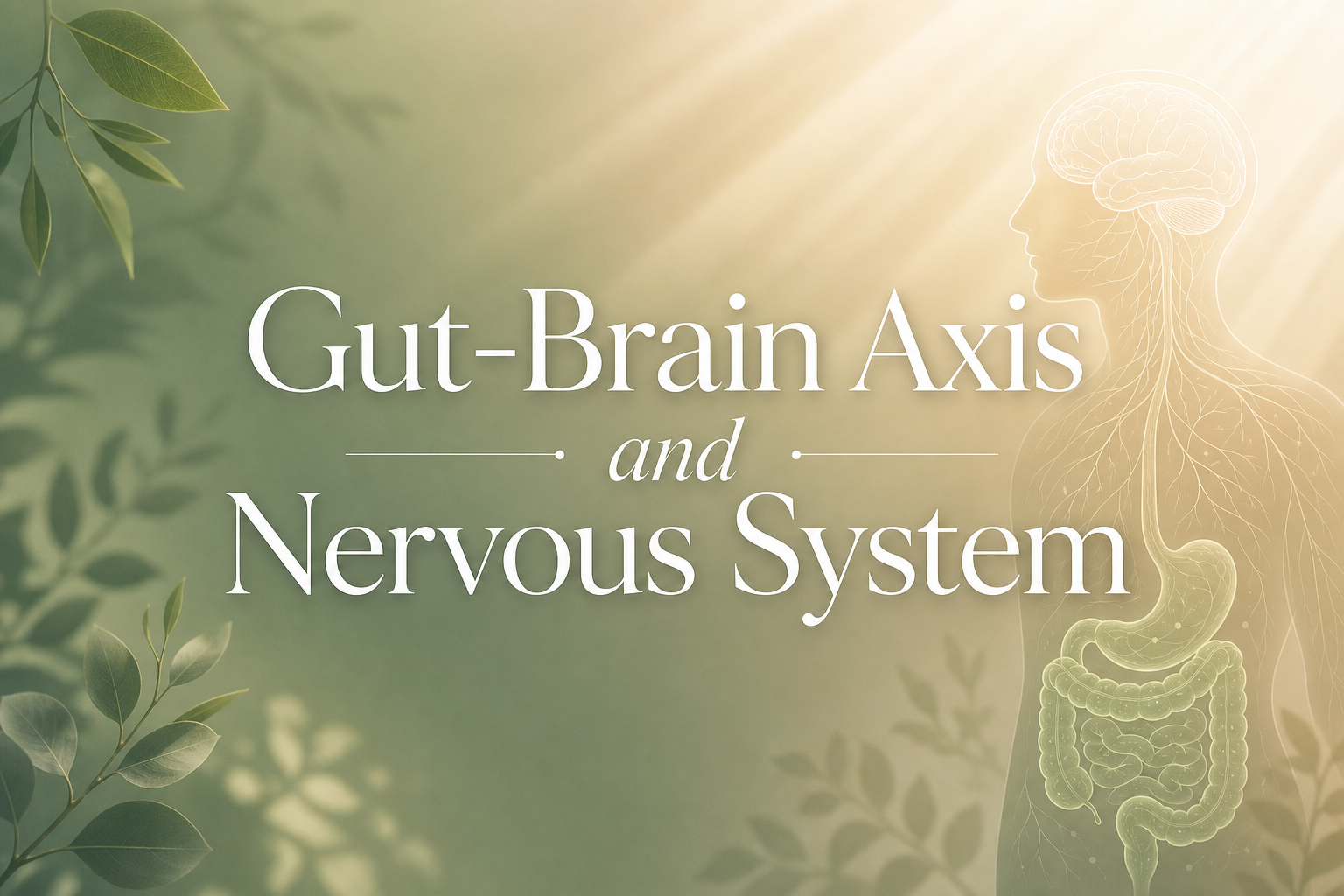
The gut-brain axis and nervous system relationship is one of the most profound discoveries in modern medicine. This bidirectional communication highway links your gastrointestinal tract to your brain through multiple overlapping channels — the vagus nerve, the enteric nervous system (often called the "second brain"), immune signaling pathways, and the elaborate community of 100 trillion microorganisms living in your gut.
When Dr. Daren Brooks, D.O., founded The Bridge Health Recovery Center in New Harmony, Utah, he recognized what many conventional practitioners had overlooked: you cannot heal the nervous system without addressing the gut. "We see it every single day," Dr. Brooks explains. "Patients with chronic depression, fibromyalgia, and CRPS all share one thing — a disrupted gut-brain connection."
The enteric nervous system contains approximately 500 million neurons — more than the spinal cord — and communicates with the brain constantly. About 90% of the signals traveling the vagus nerve go upward from gut to brain, not the other way around. This means your gut is not merely responding to your emotional state; it is actively shaping it.

How the Gut Directly Shapes Your Mental Health
If you have been struggling with anxiety, depression, or mood instability, your gut microbiome may be a central driver. The research is unambiguous: your gut bacteria produce the neurotransmitters that regulate your emotional life. Serotonin — the molecule most commonly targeted by antidepressant medications — is manufactured in the gut at rates exceeding 90% of total body production.
When gut bacteria are imbalanced (a state called dysbiosis), serotonin production drops. Simultaneously, inflammatory compounds called cytokines flood the bloodstream and cross the blood-brain barrier, triggering what researchers call "sickness behavior" — low mood, fatigue, social withdrawal, and cognitive fog that mirrors clinical depression.
For people with treatment-resistant depression, addressing the gut-brain axis can be transformative. Many guests at The Bridge arrive having tried multiple antidepressants without lasting relief. When we add gut restoration protocols to their anxiety and stress treatment, the results are often dramatically different.
"The gut is not a passive digestive organ — it is an active part of your nervous system, constantly generating signals that determine how you feel, think, and heal." — Dr. Daren Brooks, D.O.
A landmark 2019 study published in Nature Communications found that specific gut bacteria species — including Coprococcus and Dialister — were consistently depleted in people with depression, independent of antidepressant use. These bacteria produce compounds that directly stimulate vagal nerve endings, calming the stress response. Learn more about how healing the nervous system naturally incorporates gut health at the foundation of recovery.
The Gut-Brain Axis and Chronic Pain: The Inflammation Connection
For those living with chronic pain, the gut-brain axis offers both an explanation and a treatment target that most pain specialists never discuss. Understanding this connection can change everything about how you approach your healing.
Increased intestinal permeability — commonly called "leaky gut" — occurs when the tight junctions between gut lining cells loosen, allowing bacterial fragments called lipopolysaccharides (LPS) to enter the bloodstream. These endotoxins trigger a systemic inflammatory response that sensitizes pain receptors throughout the body.
In conditions like fibromyalgia and Complex Regional Pain Syndrome (CRPS), this central sensitization is a primary mechanism of pain amplification. The nervous system becomes so inflamed and dysregulated that it registers ordinary sensations as excruciating pain — a process called allodynia.
Our clinical team at The Bridge has observed that guests who incorporate gut restoration into their program experience faster and more durable pain relief than those focusing solely on pain management techniques. The gut-nervous system connection is not peripheral to healing — it is central to it. For a deeper understanding of the neurological mechanisms, read our guide on the role of the nervous system in chronic pain.

Ready to Start Your Healing Journey?
Talk with our team about how The Bridge can help with your specific condition. Free, no-pressure consultation.
Gut Health, the Nervous System, and Chronic Fatigue
If you are exhausted despite adequate sleep, the gut-brain axis may explain why. Chronic Fatigue Syndrome (CFS) — also called Myalgic Encephalomyelitis — is increasingly understood as a condition rooted in neuroinflammation driven by gut dysbiosis.
Research from Cornell University found that people with CFS had distinctly different gut microbiome compositions than healthy controls, with significantly lower levels of anti-inflammatory bacteria. These bacterial imbalances correlated directly with the severity of fatigue, cognitive difficulties, and pain.
The mechanism is clear: without adequate beneficial gut bacteria, the immune system stays in a chronically activated state. This constant low-grade immune activation consumes enormous energy — energy that should be available for daily functioning — and generates the inflammatory cytokines that produce profound fatigue and cognitive fog.
At The Bridge, our fatigue recovery protocols always include gut assessment and restoration. We have found that addressing mitochondrial function alongside gut health produces results that neither intervention achieves alone. Learn how nervous system fatigue symptoms and gut dysbiosis overlap, and how treating both accelerates recovery.
Foods That Heal the Gut-Brain Axis
Diet is the single most powerful lever for reshaping your gut microbiome — and therefore your nervous system. The foods you eat daily determine which bacterial species thrive in your gut, which neurotransmitters get produced, and how inflamed or calm your nervous system remains.
Our nutritional approach at The Bridge, refined by Dr. Brooks over decades of clinical practice, prioritizes gut-brain foods:
- Fermented foods: Kefir, yogurt, sauerkraut, kimchi, and kombucha introduce live beneficial bacteria directly into the gut ecosystem. Research shows daily fermented food consumption increases microbiome diversity in just 10 weeks.
- Prebiotic fiber: Garlic, onions, leeks, asparagus, and dandelion greens feed beneficial bacteria, helping them outcompete harmful species. Aim for 30+ different plant foods weekly.
- Omega-3 fatty acids: Fatty fish (salmon, sardines, mackerel), flaxseed, and walnuts reduce gut inflammation and support the production of short-chain fatty acids that nourish the gut lining.
- Polyphenol-rich foods: Blueberries, dark chocolate, green tea, and olive oil contain compounds that selectively feed beneficial bacteria while suppressing harmful ones.
- Bone broth and collagen: These provide glutamine and glycine — amino acids that repair and strengthen the gut lining, reducing intestinal permeability.
For a comprehensive nutritional approach to nervous system recovery, explore our guide on the best foods for nervous system health and how dietary choices ripple through the gut-brain connection.
"In 21 years of clinical practice, I have never seen nervous system recovery happen without gut healing. They are inseparable. The gut is where healing begins." — Dr. Daren Brooks, D.O.
The Vagus Nerve: The Highway Between Gut and Brain
No discussion of the gut-brain axis is complete without understanding the vagus nerve — the tenth cranial nerve and the primary physical connection between your gut and your brain. The vagus nerve wanders through your chest and abdomen, monitoring organ function and carrying the gut's messages directly to the brainstem.
When vagal tone is high — meaning the vagus nerve is active and responsive — the nervous system easily shifts between states, stress recovers quickly, digestion is efficient, and mood is stable. When vagal tone is low — often a consequence of chronic stress, trauma, or gut dysbiosis — the autonomic nervous system becomes stuck in sympathetic dominance (fight-or-flight), gut motility slows, inflammatory signals escalate, and anxiety and pain intensify.
This is why vagus nerve stimulation practices are so effective for both gut health and nervous system regulation. Activities that activate the vagus nerve — deep diaphragmatic breathing, cold water exposure, humming, gargling, and specific somatic exercises — simultaneously improve gut function, reduce inflammation, and calm the stress response. Explore our comprehensive guide to vagus nerve exercises for anxiety to understand how activating this nerve transforms gut-brain communication.


Evidence-Based Gut Healing Protocols for Nervous System Recovery
At The Bridge, gut restoration is not an afterthought — it is a foundational pillar of our 21-day immersive program. We use a systematic approach that has evolved through working with over 3,500 guests with diverse chronic conditions.
Our gut-brain healing protocol integrates:
- Comprehensive microbiome assessment: Understanding your individual bacterial landscape guides personalized probiotic selection and dietary recommendations.
- Elimination and reintroduction: Temporarily removing common gut irritants (refined sugars, industrial seed oils, gluten for sensitive individuals) allows the gut lining to begin healing while we identify personal triggers.
- Targeted supplementation: L-glutamine for gut lining repair, soil-based probiotics for microbiome restoration, digestive enzymes, and specific strains shown to influence mood (Lactobacillus rhamnosus, Bifidobacterium longum).
- Stress reduction protocols: Chronic stress is one of the most powerful disruptors of gut health. Our somatic practices, breathwork, and nervous system regulation techniques directly improve gut function by reducing cortisol and restoring parasympathetic dominance.
- Sleep optimization: The gut microbiome has its own circadian rhythm. Poor sleep dysregulates gut bacteria; healing sleep restores it. Our program addresses sleep architecture as a gut health intervention.
People with lupus and autoimmune conditions often experience dramatic reduction in flare frequency when gut permeability is addressed. The systemic inflammation driving autoimmune attacks is frequently sourced in the gut.

Trauma, Stress, and the Gut: Why Emotional Wounds Manifest in the Gut
One of the most important — and least discussed — aspects of the gut-brain axis is how psychological trauma and chronic stress physically alter gut function. This is not metaphorical. Trauma changes the gut microbiome, increases intestinal permeability, and rewires the enteric nervous system in measurable, documented ways.
Adverse childhood experiences (ACEs) are associated with higher rates of irritable bowel syndrome, inflammatory bowel conditions, and gut dysbiosis in adulthood. The stress hormones released during traumatic experiences — cortisol, adrenaline, CRH — directly suppress beneficial gut bacteria while enabling harmful species to proliferate.
This is why somatic trauma therapy is so effective for gut health. When we help guests process stored trauma through body-based approaches, we observe improvements in gut symptoms alongside emotional healing. The trauma is held in the body — including the enteric nervous system — and must be released there. Read our detailed exploration of somatic exercises for trauma release and how they simultaneously heal the gut and calm the nervous system.
Understanding this connection also explains why gut-healing dietary changes often don't produce lasting results in isolation. Without addressing the nervous system dysregulation and trauma driving gut disruption, the gut will remain chronically stressed and unable to maintain healthy bacterial balance.
Frequently Asked Questions
What is the gut-brain axis?
The gut-brain axis is a bidirectional communication network connecting your gastrointestinal tract and brain through the vagus nerve, neurotransmitters, immune signals, and the enteric nervous system. This connection means gut health directly affects mood, cognition, stress response, and pain perception.
How does the gut affect the nervous system?
Your gut produces over 90% of the body's serotonin and about 50% of its dopamine. An imbalanced gut microbiome disrupts this production, triggering nervous system dysregulation that manifests as anxiety, depression, chronic pain, fatigue, and brain fog.
Can healing my gut help anxiety and depression?
Yes. Research consistently shows that restoring gut microbiome balance reduces symptoms of anxiety and depression by increasing serotonin production, reducing inflammatory cytokines, and calming vagal tone. Many people experience significant mood improvements within weeks of gut-focused protocols.
What foods support the gut-brain axis?
Fermented foods (kefir, sauerkraut, kimchi), prebiotic fiber (garlic, onions, leeks, asparagus), omega-3 fatty acids (fatty fish, flaxseed), and polyphenol-rich foods (berries, dark chocolate, green tea) all nourish beneficial gut bacteria and support the gut-brain axis.
Can chronic pain be connected to gut health?
Absolutely. Increased intestinal permeability (leaky gut) allows bacterial endotoxins into the bloodstream, triggering systemic inflammation that sensitizes pain pathways. Healing the gut lining often reduces central sensitization and improves chronic pain conditions including fibromyalgia and CRPS.
Your Healing Journey Starts With One Conversation
Schedule a free, no-pressure consultation with our team. We'll help you understand if The Bridge is right for your situation.