

- What Is a Holistic Depression Treatment Center?
- How Holistic Depression Treatment Centers Work
- What to Look for in a Holistic Depression Center
- The Bridge Approach to Holistic Treatment
- Medication vs. Holistic Treatment
- Treating Depression and Anxiety Together
- Who Benefits Most
- Why Location Matters for Recovery
- Frequently Asked Questions
- Holistic depression treatment centers address root causes — nervous system dysregulation, gut health, nutrition, trauma, and lifestyle — rather than managing symptoms alone.
- The most effective programs combine medical supervision with evidence-based somatic therapies, nutrition optimization, and trauma-informed psychotherapy.
- Treatment-resistant depression, co-occurring physical conditions, and trauma history are strong indicators that a holistic residential program may be more effective than outpatient medication management.
- The Bridge Health Recovery Center in New Harmony, Utah offers a 21-day immersive program accepting insurance with proven outcomes for complex, treatment-resistant depression.
- Location matters — natural environments with documented restorative properties support faster nervous system recovery.
- Holistic does not mean anti-medication; quality centers integrate appropriate medication management with comprehensive root-cause treatment.
What Is a Holistic Depression Treatment Center?
If you've spent months or years managing depression with medication, therapy, or both — and still feel like something is missing — you are not alone. Tens of millions of Americans live with depression that partial treatment never fully resolves. Holistic depression treatment centers offer a fundamentally different approach: rather than managing symptoms, they work to identify and heal the root causes.
At a holistic treatment center, depression is understood as a whole-body condition. The nervous system, the gut-brain axis, chronic inflammation, nutritional deficiencies, sleep disruption, unresolved trauma, and lifestyle factors all contribute to the neurochemical imbalances that drive depressive episodes. A truly holistic program addresses all of these simultaneously — not just the brain chemistry alone.
The Bridge Health Recovery Center in New Harmony, Utah is one such facility. Founded by Dr. Daren Brooks, D.O., The Bridge offers a 21-day immersive residential program that has helped over 3,500 guests recover from treatment-resistant depression, chronic anxiety, and related conditions — often after conventional approaches fell short.

How Holistic Depression Treatment Centers Work
The defining characteristic of a holistic depression treatment center is integration. Instead of isolating the mind from the body, these programs treat them as one interconnected system. Here is what a typical evidence-informed holistic program addresses:
- Nervous system regulation: Depression is deeply tied to a chronically dysregulated autonomic nervous system. Polyvagal-informed therapies, breathwork, and somatic practices help the nervous system return to a baseline of safety and calm.
- Gut-brain axis optimization: The gut produces approximately 90% of the body's serotonin. Healing gut dysbiosis through targeted nutrition and probiotic therapy directly improves mood regulation. Learn more about the depression and gut health connection.
- Nutritional therapy: Deficiencies in omega-3 fatty acids, magnesium, B vitamins, and zinc are directly linked to depressive symptoms. Comprehensive labs and personalized nutrition plans correct these imbalances.
- Movement and nature therapy: Structured daily exercise, nature immersion, and movement-based practices (yoga, walking meditation) stimulate neurogenesis — the brain's ability to grow new neurons — in the hippocampus.
- Trauma-informed psychotherapy: Many people with depression carry unresolved trauma that talk therapy alone cannot fully reach. EMDR, somatic experiencing, and body-based trauma therapies address the nervous system imprints of difficult experiences.
- Sleep restoration: Disrupted sleep architecture perpetuates the neuroinflammation that drives depression. Programs include comprehensive sleep optimization protocols.
- Stress resilience training: Cognitive restructuring, mindfulness, and mind-body medicine give people sustainable tools they can use for life.
"Depression is not a deficiency of antidepressants. It is a signal from a body and nervous system under chronic stress. Our job is to teach the system to feel safe again." — Dr. Daren Brooks, D.O.
For people who have tried depression treatment when medication fails, a holistic center can represent a genuinely different path — one that addresses the physiology driving the condition rather than attempting to chemically override it.
What to Look for in a Holistic Depression Treatment Center
Not all centers that call themselves "holistic" deliver meaningful, evidence-based care. When evaluating options, look for these quality markers:
The most effective holistic programs employ multidisciplinary teams — physicians, nutritionists, trauma therapists, somatic practitioners, and wellness coaches — working from a unified treatment model rather than siloed departments. Ask any prospective center how their team collaborates on individual cases.
- Medical supervision: A licensed physician, preferably a D.O. or MD with integrative medicine training, should oversee the clinical program.
- Comprehensive intake assessment: Labs, medical history, trauma history, nutritional assessment, and nervous system evaluation should inform an individualized treatment plan.
- Evidence-based modalities: Look for programs that cite research for the therapies they use — not just wellness trends.
- Somatic and trauma-informed components: Given the strong link between trauma and depression, a quality program includes body-based trauma therapies, not only talk therapy.
- Aftercare planning: Lasting recovery requires support after the residential program ends. Quality centers provide detailed aftercare plans and follow-up check-ins.
- Insurance acceptance: A reputable center can verify your insurance benefits and provide transparent cost information.

The Bridge Approach to Holistic Depression Treatment
The Bridge Health Recovery Center was founded on the understanding that the body's nervous system is the master regulator of health — including mental health. When the nervous system is chronically stuck in a state of threat response, depression, anxiety, and physical illness follow. Dr. Brooks has spent decades studying and teaching mind-body medicine, and The Bridge program embodies that integrated clinical philosophy.
The 21-day residential program at The Bridge includes:
- Comprehensive medical and functional lab work — identifying hormonal imbalances, inflammatory markers, nutritional deficiencies, and gut health status
- Personalized nutrition protocol — anti-inflammatory, gut-healing nutrition customized to each guest's lab results
- Daily somatic and movement therapies — including breathwork, gentle yoga, walking meditation, and guided hikes in the surrounding Southern Utah landscape
- Mind-body medicine sessions — Dr. Brooks' proprietary system integrating visualization, cognitive techniques, and autonomic nervous system regulation
- Individual and group therapy — with trauma-informed therapists trained in somatic and EMDR approaches
- Nature immersion — New Harmony, Utah's high-desert landscape has documented restorative effects on the stress response system
- Sleep restoration program — addressing the circadian disruption that perpetuates depressive cycles
For people also managing fibromyalgia, chronic fatigue, or other conditions alongside depression, The Bridge offers integrated treatment that addresses multiple conditions simultaneously — a significant advantage over programs designed for a single diagnosis.
Ready to Explore Your Options?
Talk with our team about whether The Bridge's holistic program is the right fit for your situation. Free, no-pressure conversation.
Medication vs. Holistic Treatment: Do You Have to Choose?
A common misconception is that choosing a holistic approach means refusing all medication. Most reputable holistic depression treatment centers — including The Bridge — are not anti-medication. The goal is not to create an ideological divide, but to address the root physiological causes so that the nervous system can return to healthy regulation.
For many guests, this does lead to reduced medication dependence over time, under medical supervision. For others, a targeted medication protocol alongside holistic interventions produces the best outcome. Dr. Brooks works with each person's existing medical team to ensure continuity of care and a safe, supported transition.
What holistic programs challenge is the model of depression as a permanent, exclusively chemical condition requiring lifelong pharmaceutical management. The science increasingly supports the view that depression is a dynamic state driven by modifiable factors — and that comprehensive lifestyle and nervous system interventions can produce lasting change. To understand more about programs that go beyond medication, read our guide to holistic approaches to depression treatment.
Treating Depression and Anxiety Together
Depression rarely travels alone. Research shows that approximately 60% of people with major depression also meet criteria for an anxiety disorder. The nervous system dynamics underlying both conditions are deeply intertwined — both reflect a system that has lost its ability to return to a calm, regulated baseline.
Holistic depression treatment centers that understand this connection design programs that treat both simultaneously. At The Bridge, the connection between anxiety and the nervous system informs every aspect of the program — from breathwork protocols designed to activate the parasympathetic nervous system, to somatic practices that dissolve the chronic tension patterns that fuel both anxious and depressive states.
If you have been searching for the best retreats for anxiety and depression, programs that treat the nervous system as the root will typically produce better long-term outcomes than those that treat depression and anxiety as separate diagnoses requiring separate interventions.
"The nervous system doesn't distinguish between depression and anxiety — it simply knows whether it feels safe or threatened. Our entire program is designed to restore that foundational sense of safety." — Dr. Daren Brooks, D.O.


Who Benefits Most from Holistic Depression Treatment
Holistic residential treatment is not the right fit for everyone — and identifying who is most likely to benefit helps set realistic expectations. Research and clinical experience suggest the strongest candidates include:
- People with treatment-resistant depression who have tried 2+ antidepressants without achieving sustained remission
- People with co-occurring physical conditions — fibromyalgia, chronic fatigue syndrome, autoimmune conditions — where depression and physical illness are intertwined
- People with trauma history whose depression is rooted in unresolved adverse experiences that talk therapy alone hasn't resolved
- People experiencing antidepressant side effects who want to explore non-pharmaceutical pathways
- People motivated by lifestyle change who want to understand the lifestyle and physiological drivers of their depression and build lasting skills
- People in a crisis plateau — stable enough to participate in a residential program but stuck in a chronic low state that isn't improving
People in active psychiatric crisis (acute suicidality, psychosis, severe mania) typically require acute psychiatric stabilization before transitioning to an intensive holistic program. If you are in crisis, please contact the 988 Suicide and Crisis Lifeline by calling or texting 988.
For those exploring options alongside the challenges of depression and anxiety retreats, understanding your specific profile helps narrow the search to programs genuinely equipped to help.
Why Location Matters for Depression Recovery
The environment in which depression treatment occurs is not incidental — it is therapeutic. Research on "attention restoration theory" and "stress recovery theory" shows that natural landscapes with high complexity and low threat signals (open sky, water, varied topography) measurably reduce cortisol, lower blood pressure, and restore directed attention — all physiological shifts that support recovery from depression.
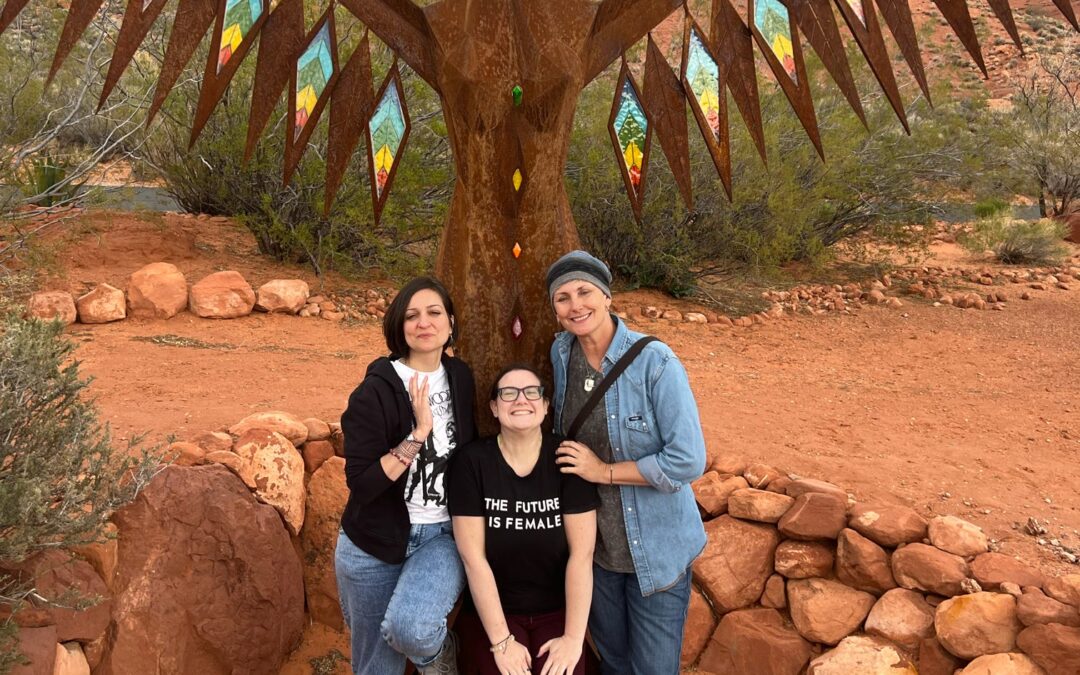
New Harmony, Utah — where The Bridge is located — sits at 4,700 feet elevation surrounded by red rock canyon country, near Zion National Park and the Pine Valley Mountains. Guests report that simply being in this environment shifts their nervous system within days. The location is not accidental; Dr. Brooks chose New Harmony specifically for its documented restorative properties.
For those comparing recovery environments, we've written detailed guides for people considering The Bridge from major cities, including New York, Los Angeles, and Chicago. The consistent theme: leaving one's familiar environment removes the contextual cues that reinforce depressive patterns and provides a genuine neurological reset.
Frequently Asked Questions
What is a holistic depression treatment center?
A holistic depression treatment center is a residential or intensive outpatient facility that treats depression by addressing the whole person — nervous system, gut health, nutrition, movement, sleep, and emotional patterns — rather than relying solely on antidepressant medications. Programs typically combine evidence-based therapies with mind-body medicine, dietary optimization, and somatic healing practices.
Are holistic depression treatment centers effective?
Research consistently shows that multi-modal treatment approaches — combining lifestyle interventions, nutrition, psychotherapy, and mind-body practices — produce better long-term outcomes than medication alone for many people with depression. Holistic centers that address root causes (nervous system dysregulation, gut-brain axis dysfunction, chronic inflammation) often help people who have not responded to standard antidepressant therapy.
How long does a holistic depression treatment program take?
Most residential holistic depression programs run 14 to 28 days, with 21 days being the sweet spot for deep nervous system healing and habit formation. Shorter stays (7-10 days) can provide meaningful relief, but the nervous system needs sustained immersive input to rewire established patterns. The Bridge's program is 21 days and includes comprehensive follow-up support.
Does insurance cover holistic depression treatment centers?
Many holistic treatment centers accept major insurance plans, including PPO and some HMO policies, particularly when they are licensed mental health facilities. The Bridge Health Recovery Center accepts insurance and offers a free insurance verification service. Call (435) 559-1922 or visit the verify insurance page to confirm your coverage before enrolling.
How is a holistic depression center different from a psychiatric hospital?
Psychiatric hospitals primarily focus on crisis stabilization and medication management in a clinical setting. Holistic depression centers focus on root-cause healing, lifestyle transformation, and nervous system restoration in a retreat-style environment. They are best suited for people who are stable but feel stuck, medication-dependent, or want a comprehensive approach that treats the whole person.
Your Healing Journey Starts With One Conversation
Schedule a free, no-pressure consultation with our team. We'll help you understand if The Bridge's holistic program is the right fit for your situation.